
You Pulled Out Your Camera. Now What?
You remember this feeling. The one where the light does something unexpected through the trees and your hand reaches for your camera before your brain catches up.
That instinct didn't go anywhere.
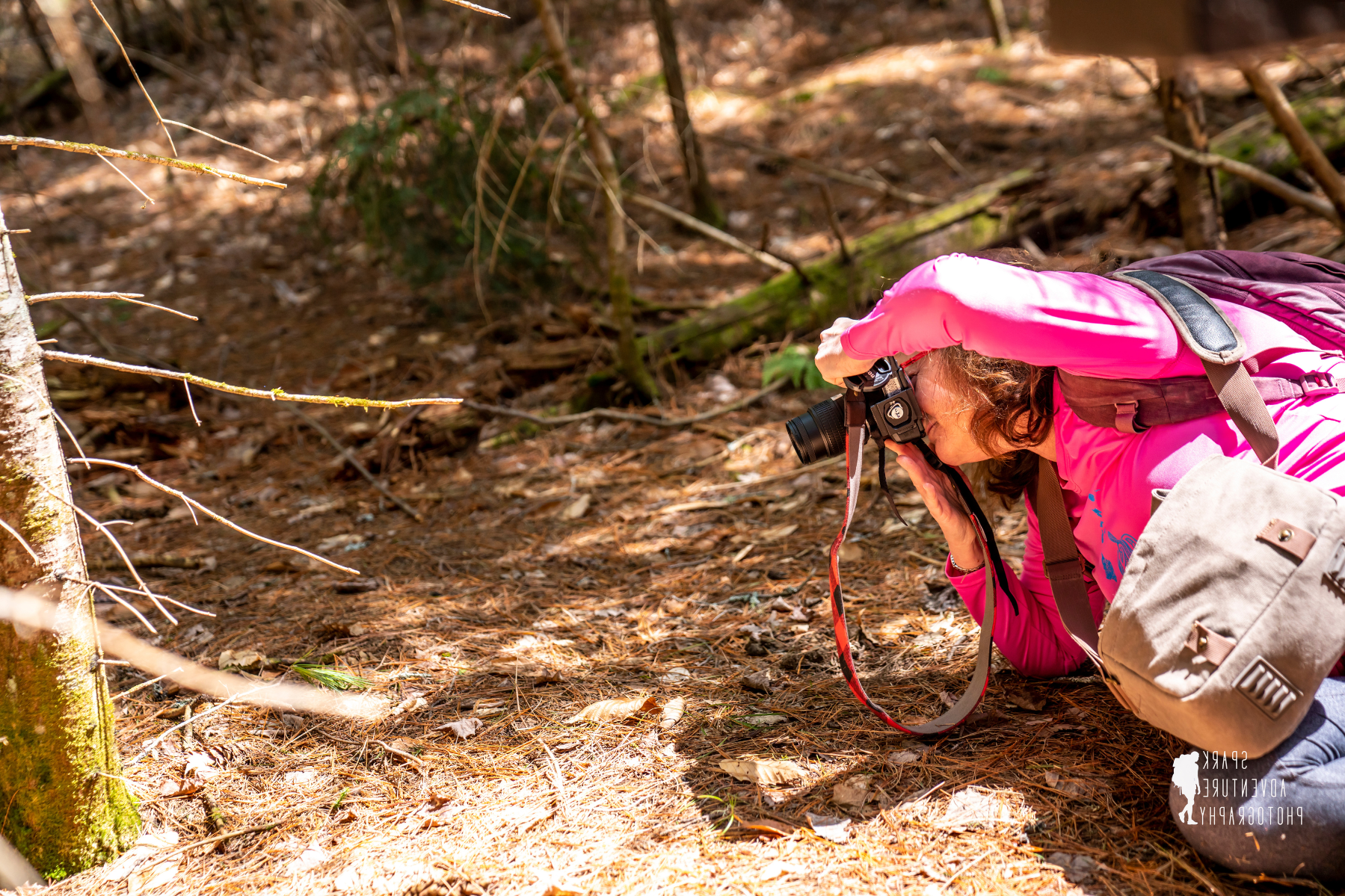
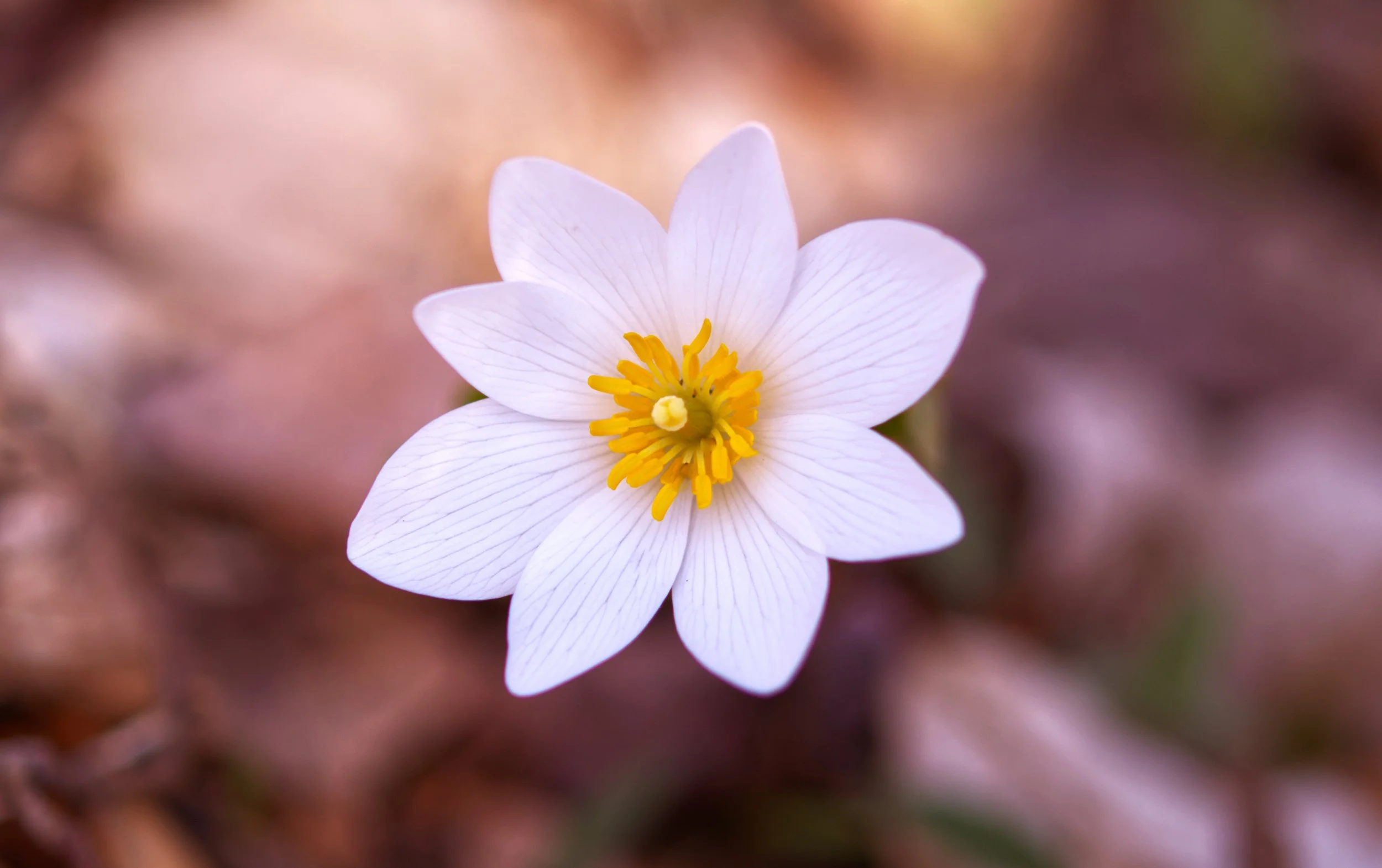
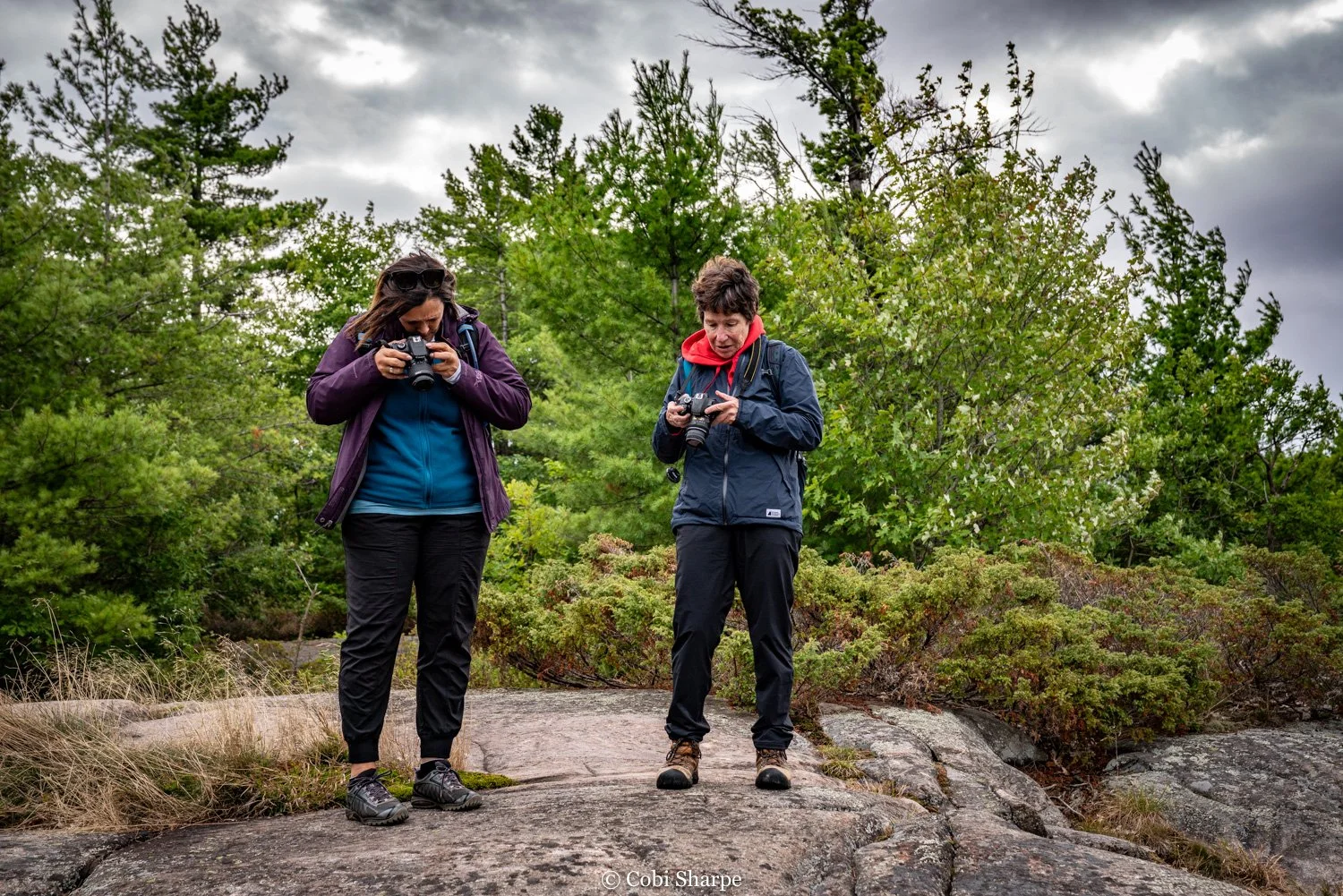
This April, we're walking the loop at Sudden Tract — a Cambridge regional forest carpeted in spring wildflowers — with 8 women who understand why you'd stop the car, crouch down in the mud, and spend twenty minutes getting the angle right on a single Bloodroot.
No rushing. No judgment. No pixel-peeping.
Just four hours in a wildflower forest, a guide who's been crawling around the forest floor since the snow melted, and a camera you're finally glad you brought.
Date: Saturday, April 25, 2026
Time: 9:00 am – 1:00 pm
Location: Sudden Tract Regional Forest, 1822 Spragues Rd., Cambridge, ON N1R 5S5
Group Size: Maximum 8 women
Early Bird Price: $160 CAD (until March 31, 2026)
Regular Price: $180 CAD (until sold out)
Only 8 spots. No waitlist. When they’re gone, they’re gone.
You Don’t Need a New Camera. You Need This Morning.
Here's what you don't need to bring to Sudden Tract:
The latest mirrorless body
A macro lens that costs more than your car payment
Any idea what you're doing
Here's what you do need:
A camera with manual mode (yes, even your 2012 Nikon)
Good running shoes or hiking boots
A snack, a water bottle, and four hours you've decided are non-negotiable
If your camera has manual mode, you're ready. The photographer you remember being is still there. We're just going to remind her where to look.
© Laurie Menard
© Laurie Menard
What This Morning Actually Looks Like
Where You’re Going
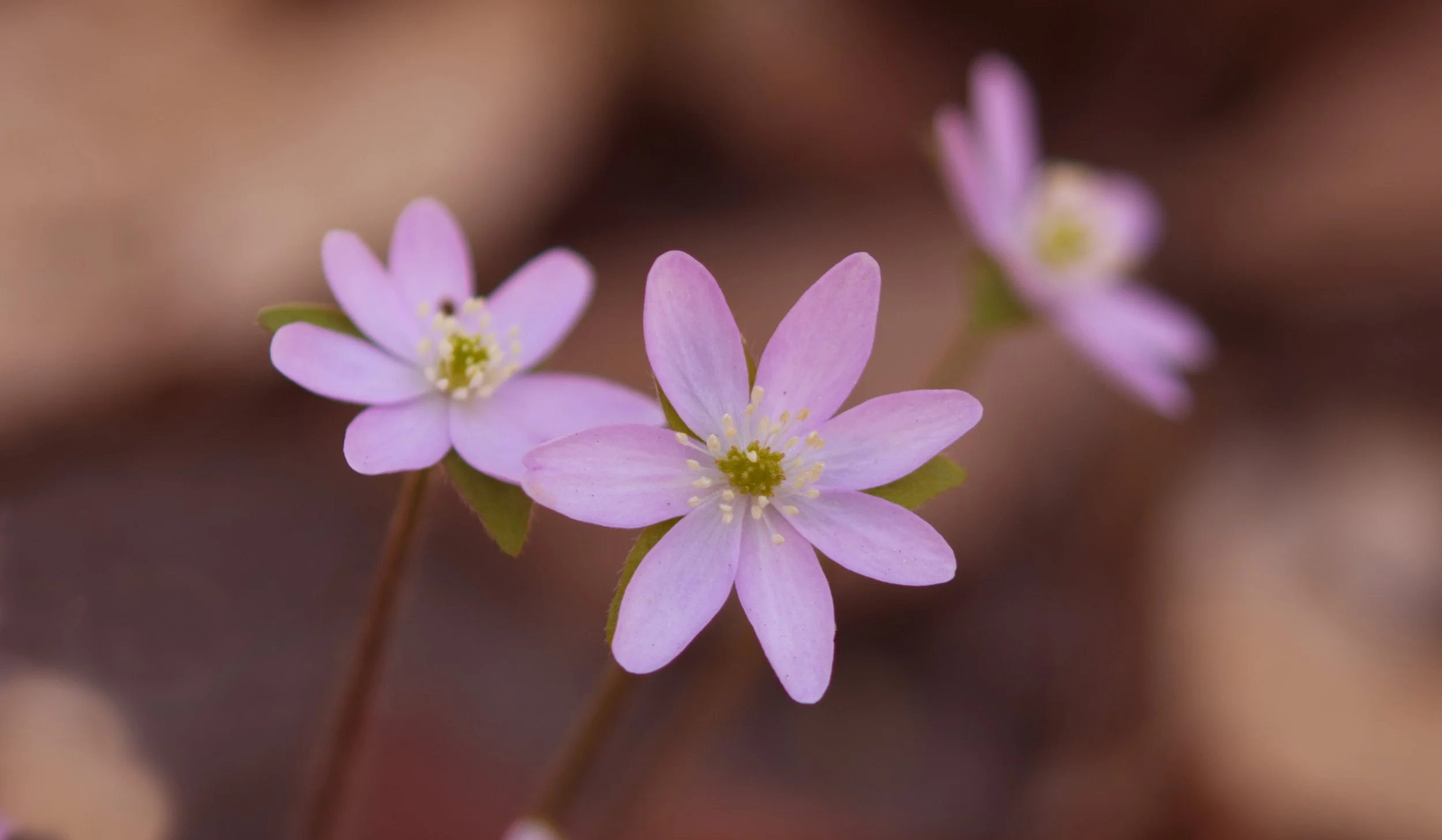
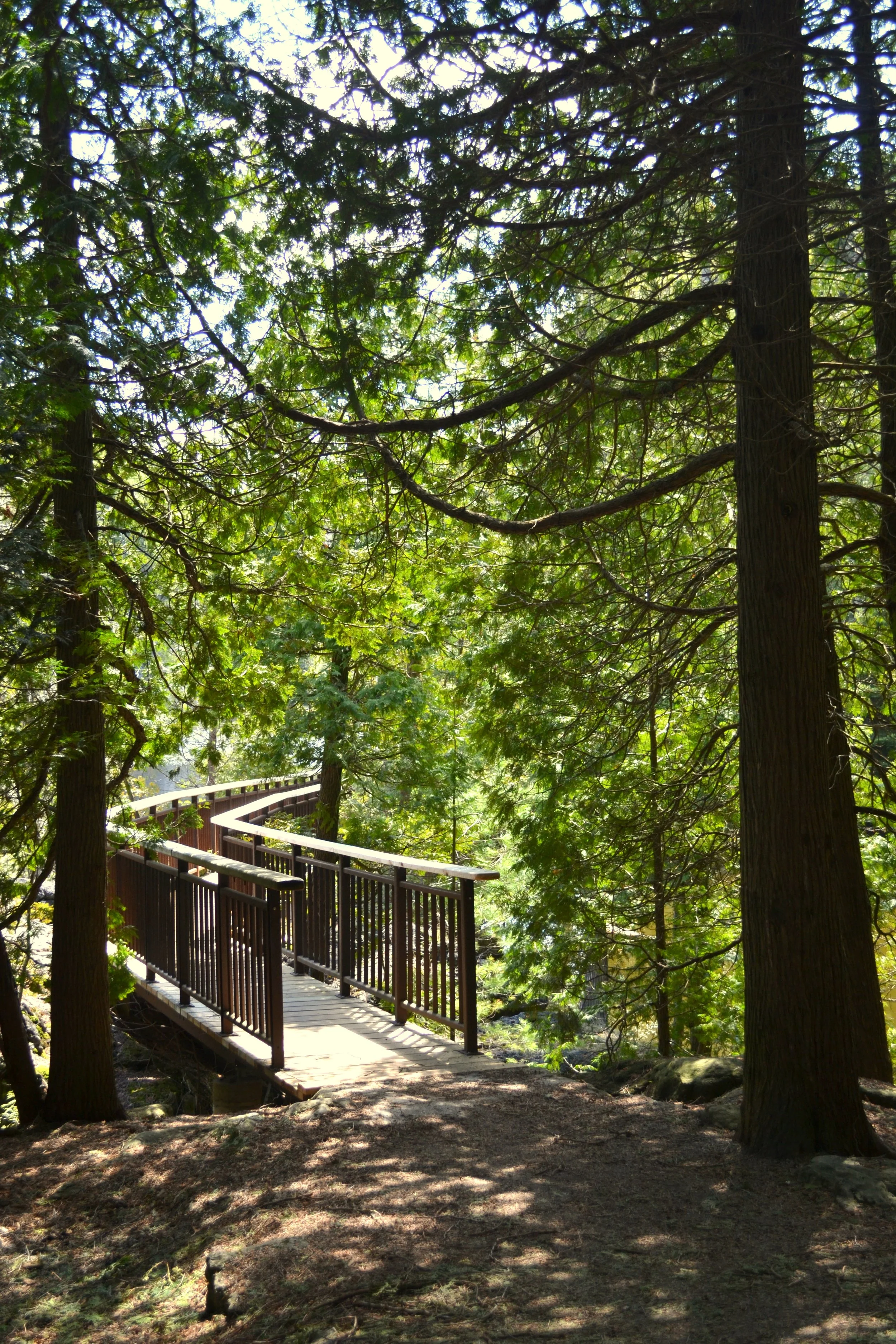
Sudden Tract is a Cambridge regional forest that most people drive past without knowing what's inside. In late April, it's carpeted in some of Ontario's most photogenic early-spring wildflowers — Hepaticas, Large-Flowered Bellwort, and Bloodroot — the ones that bloom before the canopy closes and the light disappears.
We'll walk the loop trail, dip into side trails worth exploring, and stop wherever the light, the flowers, or the angle demands it.
The terrain is varied — some flat, some moraine hills that earn their view. The pace is slow, meaningful, and entirely on your terms. We walk approximately 3–4 km over four hours. Some sections are easy; a few hills will give your legs a reason to notice. Wear good hiking boots or trail shoes. Bring water and a snack — there's a natural rest spot along the route worth stopping for.
What You’ll Learn
This isn't a lecture. It's a walk with someone who knows exactly where the Bloodroot hides and why the light at 9:00 am does something to a Hepatica that noon light simply can't.
By the time you walk back to the parking lot, you won't just have great photos. You'll know why they're great — and how to do it again on your own.
Throughout the morning, your guide Laurie will walk you through:
Why wildflowers and forest walks — what makes this subject matter so compelling for photographers, and why spring is the window you don't want to miss
Optimal time of day for different effects — Laurie will share her own photos taken at different times to show you exactly what changes and why
Observation skills — how to actually notice flowers before you're standing on them; how to train your eye to find the shot
Photographing angles for different flowers — ground level, straight on, shooting from behind as it relates to the available light; why the angle changes everything
What blooms when — so you can come back all spring with intention, not guesswork
Forest habitat vs. moraine habitat — which flowers favour which terrain and how to find them
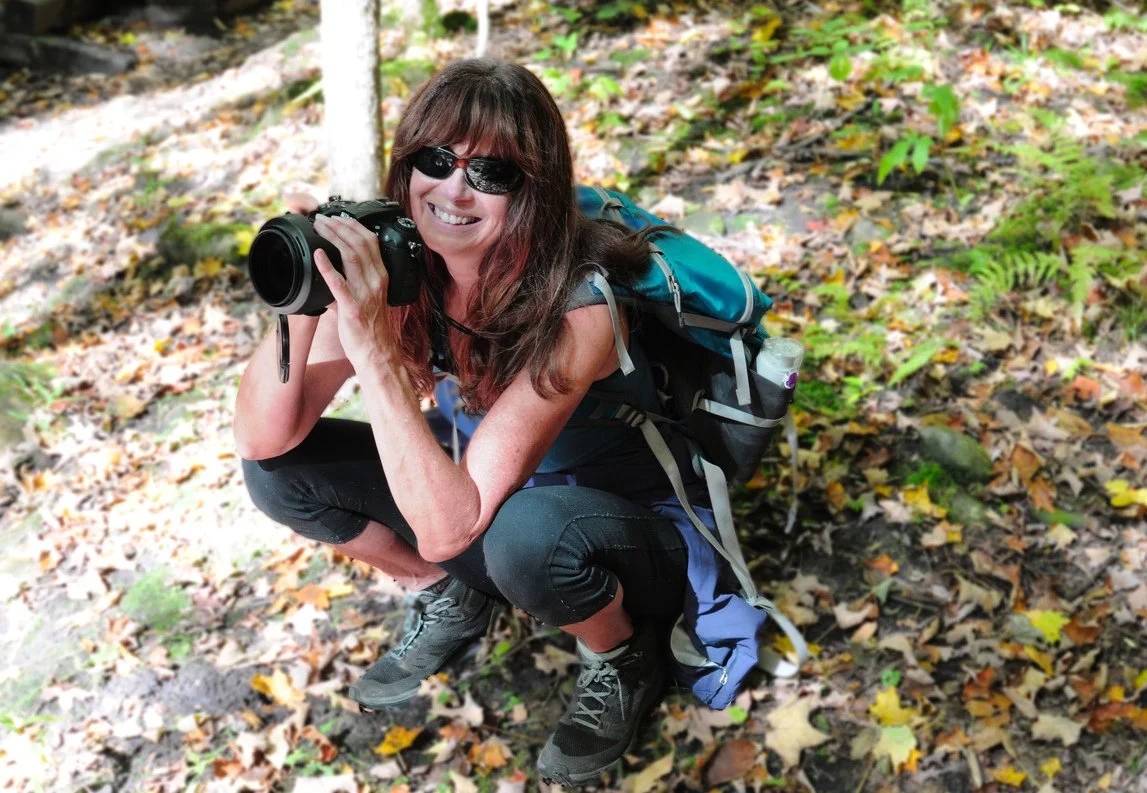
Meet Laurie Menard - The Woman Who’s Been in That Forest Since the Snow Left
Laurie Menard spent her career as an elementary school teacher and school board consultant — which means she knows the difference between someone who knows their subject and someone who actually knows how to teach it.
Those aren't the same thing. Laurie is both.
-
As soon as the snow disappears each spring, Laurie is out in the forest — crawling around the floor, finding the first Hepaticas before most people even know they've bloomed, chasing the light that lasts about twenty minutes before it shifts. Macro wildflower photography has been her focus for years, and she brings to it the same patience and precision that made her exceptional in the classroom.
She didn't arrive at photography through gear forums or camera clubs. She arrived through mountains, canoe trips, and kayak routes — with a camera and a genuine need to capture what she was seeing. The wildflowers found her along the way, and she hasn't looked back.

What Laurie brings to this morning:
Deep knowledge of Ontario's wildflower seasons and forest habitats
Years of macro photography experience — she knows the light, the angles, and exactly where the flowers hide
A teaching approach built around patience, practical learning, and zero judgment
A genuine love of exploring together and sharing what she knows
More of Laurie’s work below.
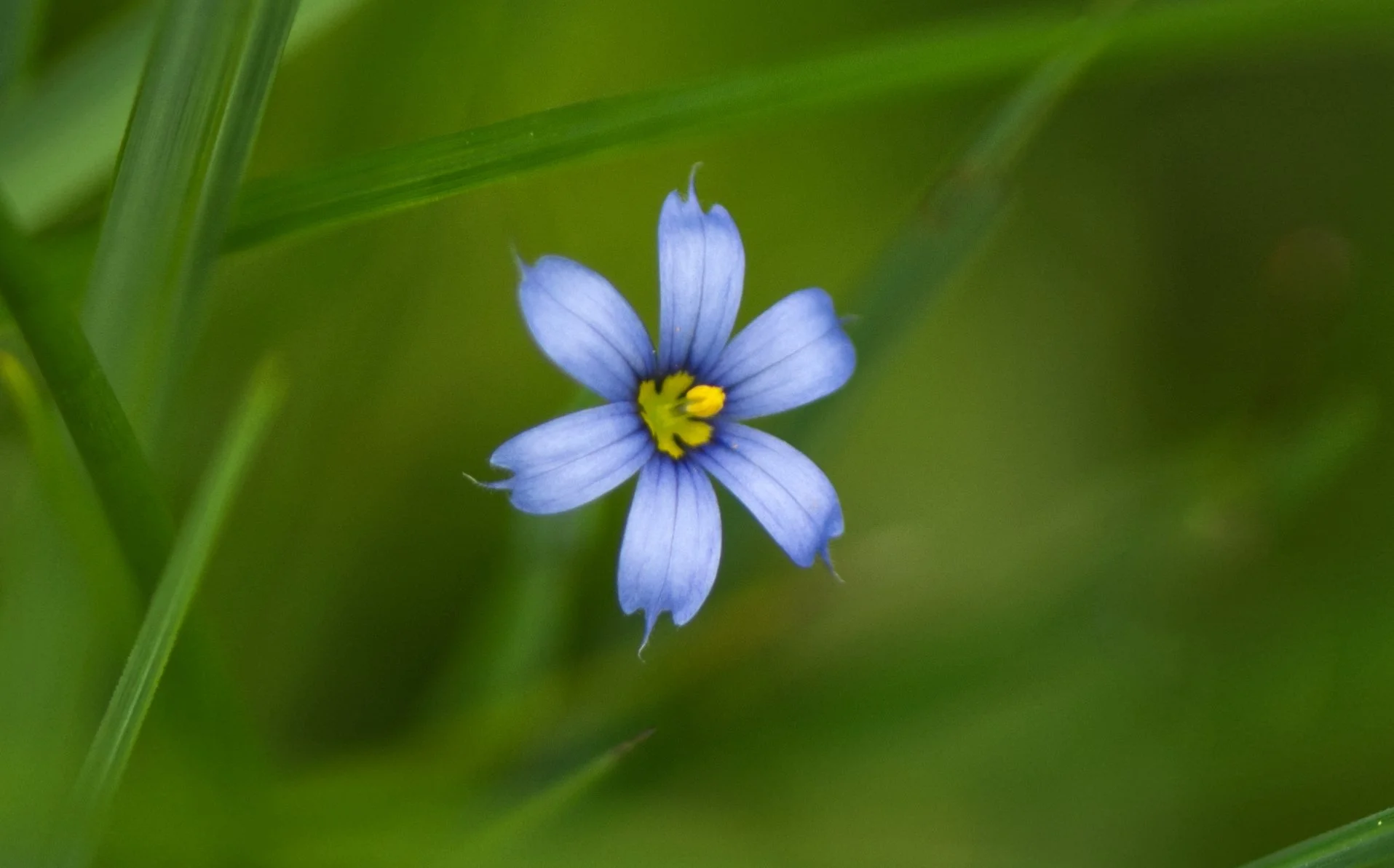
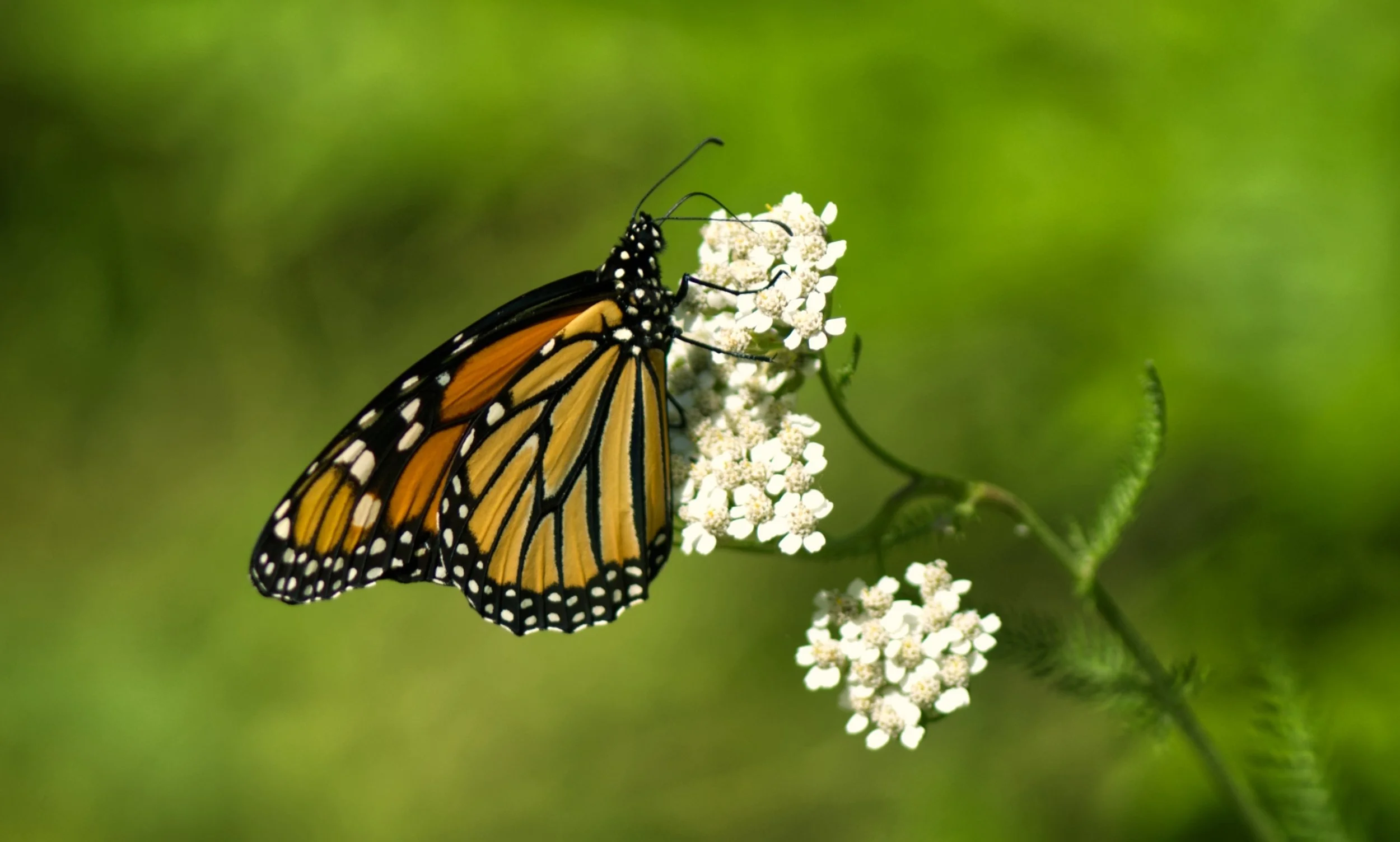
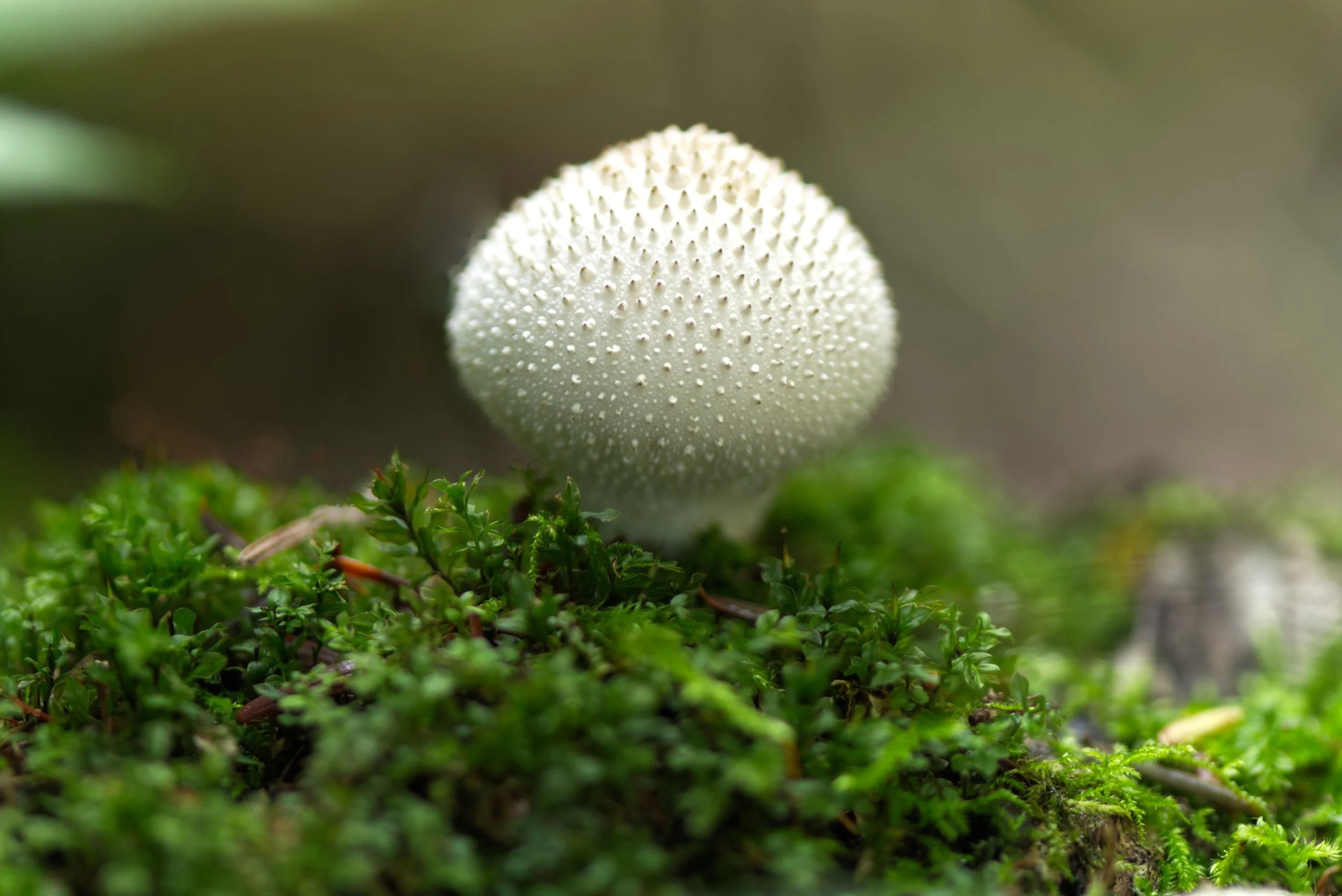
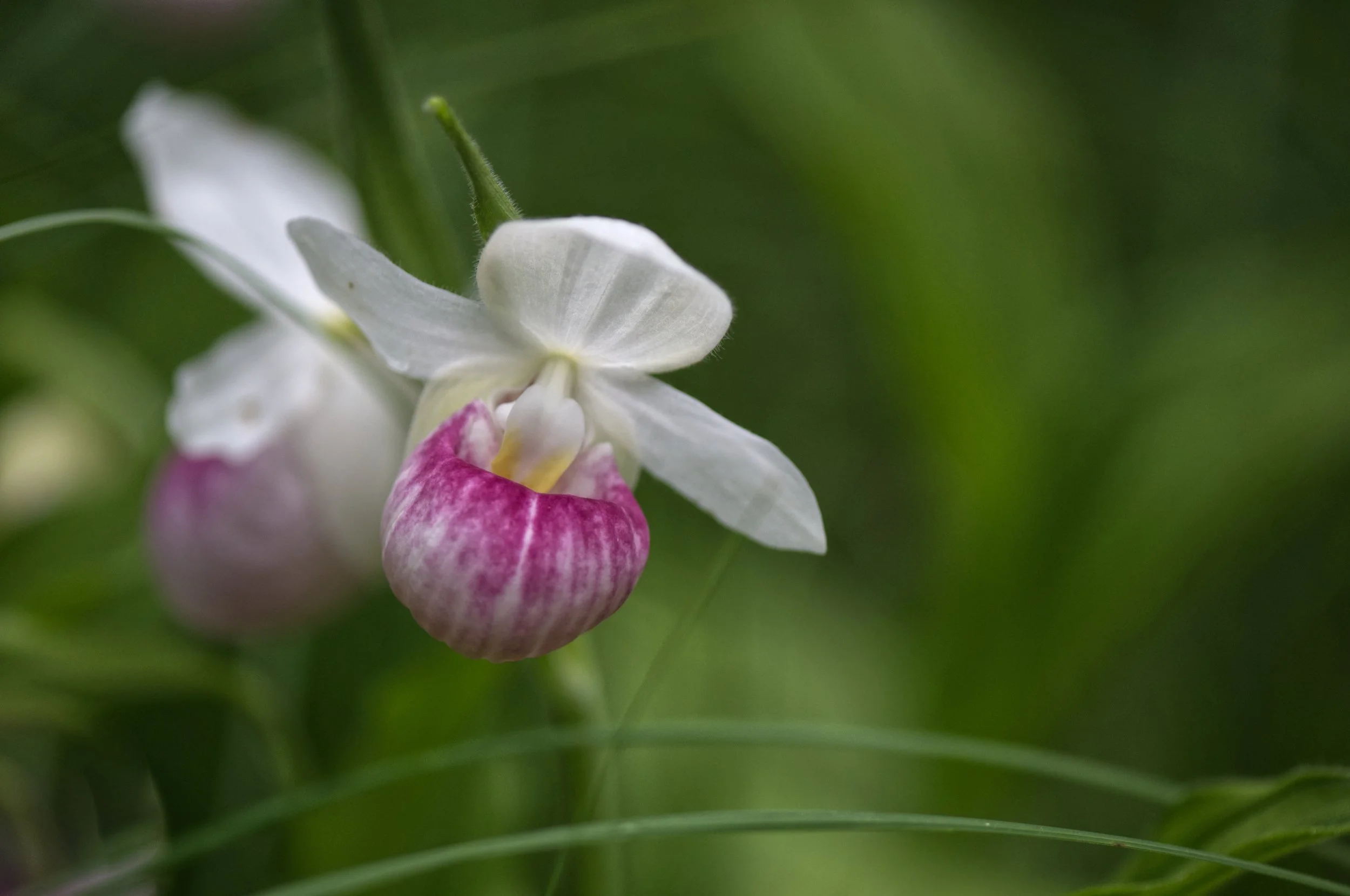
What You’ll Take home from 4 Hours in the Forest
-
✺
Practically:
A clear understanding of how angle, light direction, and time of day affect wildflower photography
The ability to identify Ontario's early spring wildflowers and know where to find them
Hands-on experience photographing in real forest conditions — moraine hills, forest floor, dappled light
-
✺
Emotionally:
The confidence that comes from spending four meaningful hours with your real camera
Permission to move slowly, stop often, and call it productive
The reminder that this is what you came back for
-
✺
In your identity:
Not "I used to love photography." Not anymore.
"I am a photographer. I was just in a forest this morning proving it."
Where This Takes You
One morning in a wildflower forest is a beginning, not a destination.
You'll know Ontario's spring wildflower calendar — which means you'll be back in May with meaning. In June. In early fall. You'll start noticing things you walked past before. You'll crouch lower.
You'll come home with photos worth keeping — and the knowledge of why they worked, so you can repeat it without anyone guiding you.
That's what skills that last actually mean.
And the women you spent this morning with? The ones who also stopped the car, crouched in the mud, and understood exactly why? Those are your people.
Women Who’ve Been Here
“Thank you for a most unique and inspiring photography experience. I really enjoyed the whole day. For me to join a group of women I'd never met and spend the day sharing close personal interactions is rare. I came home feeling so empowered, and inspired.”
— Karen
“I enjoyed Saturday very much and now I'm excited to play with various settings under the manual option on my camera - It's given me greater confidence to explore all the myriad of functions a DSLR offers on my own.”
— Sue
“Thank you so much. I had an amazing time! It is incredible to me how much we learned in such a short time. You have inspired me to pick up my dusty camera again and I am no longer intimidated to play around with the settings. I greatly appreciate the confidence that you have instilled in me.”
— Lori

Is This Morning For You?
This walk is for you if:
Your camera has manual mode and you haven't touched it in longer than you want to admit
You love hiking, birding, or Ontario's wild spaces — and you've always wanted to photograph them properly
You've been scrolling wildflower photos on Instagram feeling that pang — jealousy mixed with longing — and you're ready to be on the other side of that feeling
You want to move at a pace that lets you actually see what you're walking through
You're looking for women who would stop the car for the light — and not apologize for it
This walk is not for you if:
You need a full technical manual mode course (this is hands-on field learning, not a classroom)
You're looking for a fast-paced hike with photography as an afterthought
You want a group of 20+ (there are 8 spots, and that's intentional)
Not sure if you're the right level? If you own a camera with a manual setting and you've ever loved being outside, you're ready. That's it.
What to Know Before You Go:
Meet at: The parking lot, 1822 Spragues Rd., Cambridge, ON N1R 5S5 (Sudden Tract Regional Forest)
Date: Saturday, April 25, 2026
Time: 9:00 am – 1:00 pm
What to Wear
Good running shoes or hiking boots (we'll be on both flat trail and moraine hills — proper footwear matters)
Layers — April mornings in Ontario can surprise you
What to Bring:
Your camera (any make, any age — if it has manual mode, bring it)
Water bottle
A snack (there's a natural rest stop along the route worth pausing for)
Your willingness to crouch down and get your knees dirty
What to Leave Behind:
The expectation that you need to know what you’re doing
Any worry about slowing the group down
Your phone as your primary camera (bring your real one)
Distance: Approximately 3–4 km at a slow, intentional pace
Terrain: Mixed — flat forest trail and moraine hills; some sections easy, a few more challenging
Weather: This is an outdoor experience. We'll communicate any weather-related decisions in advance.
✺ Frequently asked questions ✺
-
If your camera has a manual mode setting, it's ready. Laurie has worked with women shooting on cameras from 2005. The age of your camera has nothing to do with the quality of your photographs or your experience on this walk. No megapixel minimums. No gear requirements. No "you should upgrade" here.
-
This morning is built around hands-on learning in the field — Laurie will guide you through practical techniques as you encounter them. You don't need to arrive knowing anything. You need to arrive willing to try.
-
The whole point of a group of 8 is that nobody gets left behind and nobody gets rushed. The pace is slow by design. We're there to see the flowers, not log kilometres. If you want to spend ten minutes on a single Bloodroot, that's not a problem. That's the morning.
-
Both. The practical field techniques Laurie covers — angle, light direction, time of day, observation — are relevant whether you've shot in manual mode a hundred times or never. The learning adapts to who's in the group.
-
The walk covers approximately 3–4 km over four hours. Some of the terrain is flat forest trail; some involves moraine hills that will give your legs something to work with. If you can hike a moderate trail comfortably, you're physically ready for this morning.
-
Early Bird is $160 CAD — available until March 31, 2026. After that, the price moves to $180 CAD until all 8 spots are filled. Once it's full, it's full. No waitlist.
-
April in Ontario is April in Ontario. We'll be in touch before the event with any weather-related updates or decisions. Come prepared to be outside in variable spring conditions.
-
We'll be seeking out Hepaticas, Large-Flowered Bellwort, and Bloodroot — three of Ontario's most photogenic early spring wildflowers. Laurie will also share what else typically blooms at this time of year and what to watch for in the weeks ahead.
Reserve Your Spot
Macro/Wildflower Photography Walk - Sudden Tract Forest
What's included:
Four hours of guided wildflower photography in Sudden Tract Regional Forest (valued at $250)
Laurie's expertise in Ontario wildflower seasons, forest habitat, and macro photography technique (valued at $150)
Small-group setting of maximum 8 women — real attention, real feedback (priceless, honestly)
The kind of morning you'll think about when you're back at your desk on Monday
Total Value: Over $400 CAD