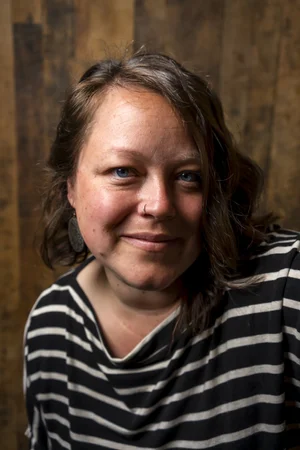
Inside a Women's Photography Workshop: Your Complete Guide
Photography workshops for women offer hands-on instruction in small groups, teaching manual mode camera skills while building confidence for your own creative adventures. Here's exactly what happens, and why you're ready.
You've been wondering: What actually happens at a photography workshop? Is it lectures in a classroom? Will everyone else know more than you? What if your camera is outdated, or you've forgotten everything about manual mode?
Here's the truth: A photography workshop is not beginner-level training. It's creative growth.
At Spark Adventure Photography Workshops, we help women dust off their cameras and remember who they were before life took over. Whether you shot film in your twenties or bought a DSLR five years ago that's been gathering dust ever since, you're not behind. You're exactly where you need to be.
This guide walks you through what to expect at a women's photography workshop—from the moment you arrive to the skills you'll take home—so you can decide if this is your turn.
What Is a Photography Workshop? (And Why "For Women" Matters)
Photography Workshop Defined
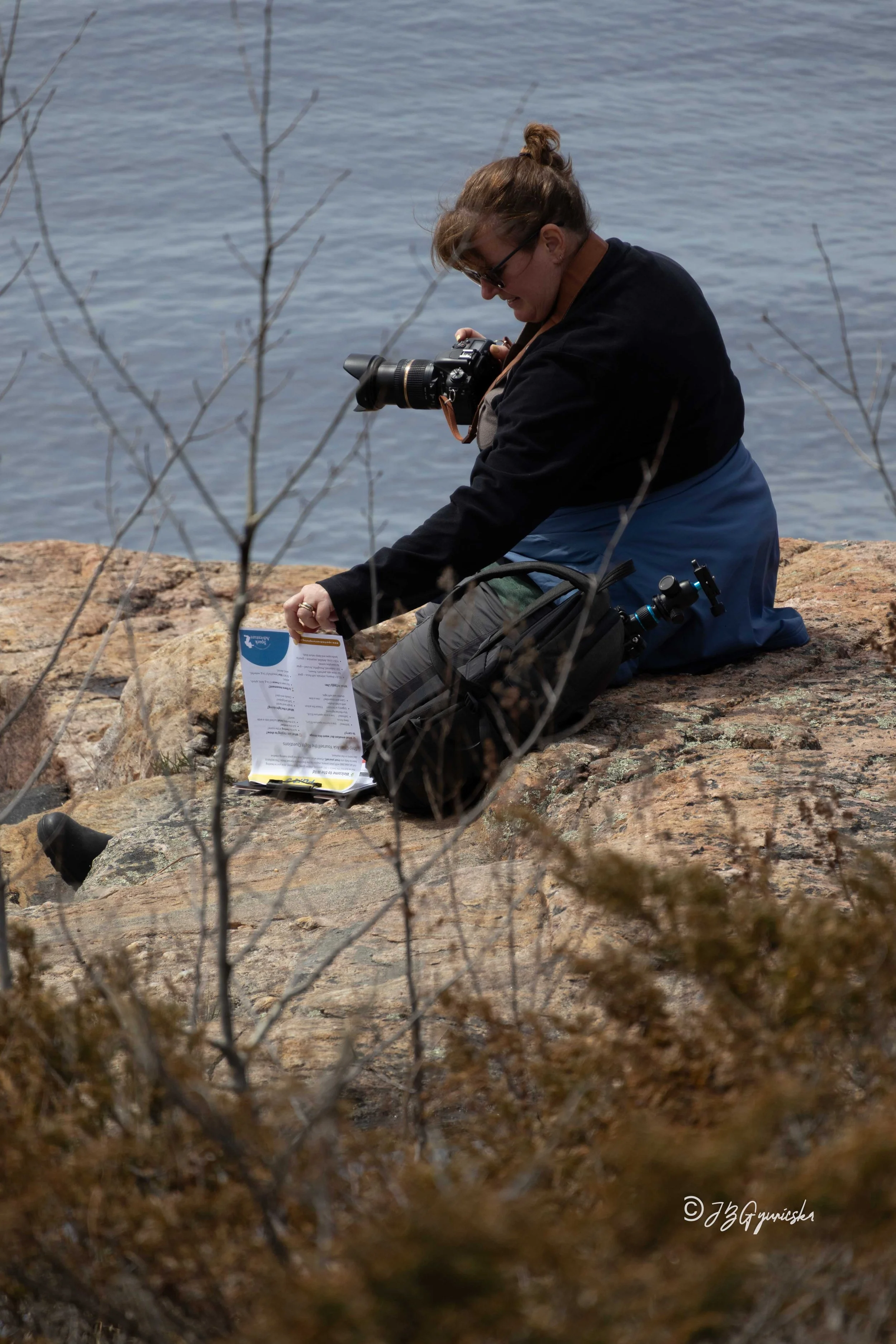
A photography workshop is hands-on, outdoor instruction where you learn camera skills by doing—not by sitting in a classroom. You practice manual mode settings in real-world conditions with professional photographers guiding you step-by-step.
Key Elements:
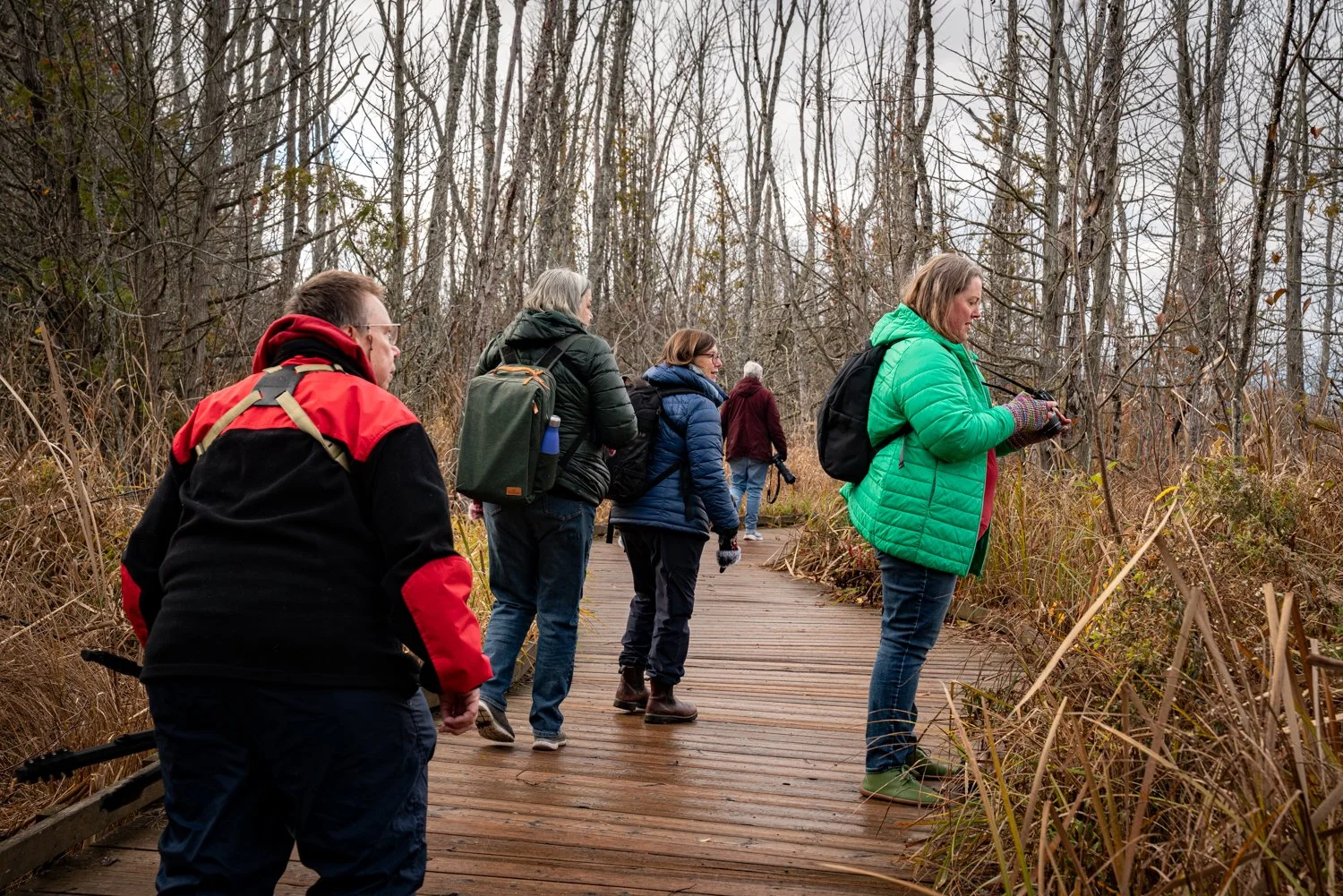
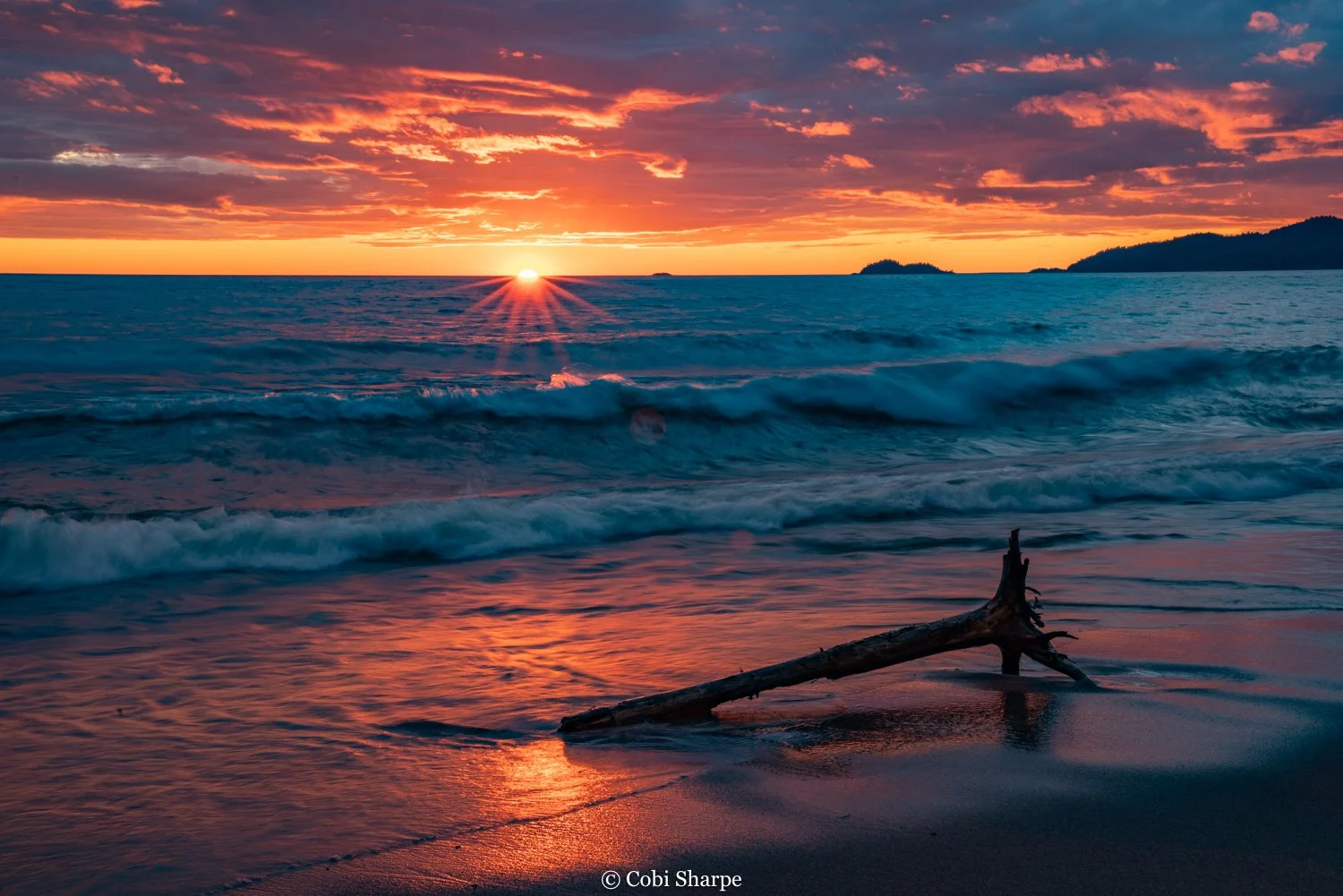
On-location learning: You photograph sunrises, forests, waterfalls, and wildlife in awe-inspiring natural settings
Small group instruction: Maximum 6-10 participants (not 30-person tour groups)
Manual mode instruction: ISO, shutter speed, and aperture explained without jargon
Immediate feedback: Instructors review your images and help you adjust settings in real time, or suggest composition techniques
Skills that last: You leave confident shooting manual mode anywhere you travel
Why "Women-Only" Changes Everything
Photography workshops for women create psychological safety that co-ed workshops rarely offer. It’s a space where we’re not being talked over. Here's what changes:
No intimidation: You won't be the only one asking "basic" questions while someone mansplains your own camera to you.
Your pace matters: We stop for the shot. We don't rush point-A-to-point-B while you're still framing the light through the pines.
Permission granted: You're surrounded by women who understand that creative time isn't indulgent—it's essential.
Community as backbone: You build friendships with like-minded women who become your support system for future photography adventures.
Key Takeaway: Women-only groups isn't about exclusion. It's about creating space where you feel safe to be rusty, ask questions, and reclaim the photographer you remember being.
What Happens at a Photography Workshop? A Day-by-Day Overview
Before You Arrive: Pre-Workshop Preparation
What You'll Receive:
Welcome email with detailed packing list (camera body, lenses, tripod, comfortable hiking clothes)
Location-specific information (weather expectations, terrain details, accessibility)
Skill level confirmation (beginner, rusty, intermediate—all welcome)
Optional pre-workshop resources (if you want to refresh manual mode basics before arriving)
What You DON'T Need:
Expensive gear (your camera is fine if it has manual mode)
Previous workshop experience
Perfect technical knowledge
To feel "ready enough"
Key Takeaway: You show up exactly as you are. We meet you there.
Day 1: Arrival and Foundation Building
Afternoon Arrival (Example: 3:00 PM)
Check into accommodations
Meet your instructors and fellow participants (small group introductions—no forced icebreakers)
Grab dinner on your own or with the group
Gear check and camera orientation (instructors ensure everyone's equipment is working)
Evening Session (Example: 6:00 PM - Sunset Shoot)
First on-location practice at a nearby scenic spot
Instructors demonstrate manual mode settings for golden hour light
You practice aperture, shutter speed, and ISO adjustments with real-time coaching
Composition basics: rule of thirds, leading lines, foreground interest
What This Feels Like:
You might be nervous. Your hands might shake a little adjusting the dials. That's normal. By the end of the first evening, you've taken at least three photos you're proud of, and you remember why you loved photography in the first place.
Day 2-3: Intensive Skill Building and Creative Exploration
Sunrise Shoot (Example: 6:00 AM)
Wake up early (optional but encouraged—this is where magic happens)
On-location instruction for blue hour and golden hour lighting
Practice long exposure techniques (waterfalls, misty coastlines)
Instructors work one-on-one while you shoot
Mid-Morning Session (Example: 9:00 AM - 11:00 AM)
Breakfast break
Return to a different location for continued practice
Focus on specific techniques: wildlife photography, forest composition, dramatic skies
Afternoon Image Review (Example: 2:00 PM)
Gentle group critique session (ego-free, constructive feedback)
Learn what makes an image powerful (not just technically correct)
Instructors highlight each participant's strengths and growth areas
You see your own progress in real time
Break Time (Example: 4:00 PM)
Rest, explore the area, journal, or connect with other participants
This is YOUR time—no scheduled obligations
Evening Session (Example: 6:00 PM - Sunset Shoot)
Return to locations or explore new spots
Practice settings for changing light conditions
Experiment with creative composition techniques
Optional Night Sky Photography (Example: 8:30 PM)
Conditions permitting: Milky Way and star photography
Learn long exposure settings for astrophotography
Tripod techniques for sharp night images
What This Feels Like:
By Day 2, manual mode starts clicking. You're not guessing anymore—you know what to adjust and why. You stop the group to photograph light through trees. Someone waits with you. No one rushes you. You feel seen.
Day 4: Final Shoot and Departure
Final Sunrise (Example: 6:00 AM)
One last on-location practice
Photograph your favorite techniques from the week
Capture images you'll be proud to print and frame
Morning Wrap-Up (Example: 10:00 AM)
Final image review and celebration of growth
Next steps for continuing your photography practice solo
Group photo and farewells (optional)
Mid-morning departure
What You Leave With:
Unshakeable confidence in manual mode
A portfolio of images you created
Skills to photograph anywhere you travel
A community of women who get it
Permission to prioritize creative time as non-negotiable
What You'll Actually Learn: Skills Breakdown
Manual Mode (The Exposure Triangle)
Aperture Control:
Wide aperture (f/2.8-f/5.6) for blurred backgrounds (portrait style, wildflower close-ups)
Narrow aperture (f/11-f/22) for sharp focus throughout the frame (landscape photography)
When to adjust aperture for depth of field
Shutter Speed Adjustments:
Fast shutter (1/500-1/2000) to freeze motion (wildlife, birds in flight)
Slow shutter (1/4-2 seconds) for silky waterfall effects and motion blur
Handheld vs. tripod shooting techniques
ISO Management:
Low ISO (100-400) for bright daylight conditions
Higher ISO (800-3200) for low-light forest scenes and blue hour
Balancing ISO to avoid grainy images
Key Takeaway: You'll understand how these three elements work together—and you'll know exactly what to adjust in any lighting condition.
Composition Techniques That Transform Your Images
Foundational Rules:
Rule of thirds: Placing subjects off-center for dynamic compositions
Leading lines: Using trails, shorelines, and tree lines to guide the viewer's eye
Foreground interest: Adding rocks, wildflowers, or natural elements to create depth
Negative space: Using sky, water, or mist to let your subject breathe
Frame within a frame: Using natural elements (tree branches, rock formations) to frame your subject
Advanced Concepts:
Working with light: Backlighting for drama, side lighting for texture, soft overcast light for even exposure
Layering: Creating depth with foreground, middleground, and background elements
Storytelling: Capturing images that convey emotion, not just documentation
Key Takeaway: Composition is what separates snapshots from powerful images. You'll learn to see differently.
Photography as Wellness Practice
Mental Health Benefits You'll Experience:
Mandatory slowness: Manual mode forces you to pause, observe, and adjust—clearing mental fog
Dopamine detox: Trading passive Instagram scrolling for active creative practice
Presence training: Noticing light, texture, and color reconnects you to the present moment
Nervous system reset: Time in nature combined with creative focus reduces stress and anxiety
Resistance to hustle culture: Reclaiming creative time as non-negotiable, not indulgent
Key Takeaway: Photography isn't just about beautiful images. It's about reconnecting with yourself.
Who Should Attend a Photography Workshop?
This Workshop Is For You If:
✅ You used to love photography but life took over (kids, career, aging parents)
✅ Your camera has been gathering dust and you feel guilty about it
✅ Manual mode feels foreign and you worry you've forgotten everything
✅ You see stunning landscape photos on Instagram and feel jealousy mixed with longing
✅ You travel with partners who rush point-A-to-point-B while you want to stop for photos
✅ You're an empty nester, newly retired, or recently promoted with time opening up
✅ You want community connection AND solo creative independence
✅ You can justify spending on yourself (because creative time is non-negotiable)
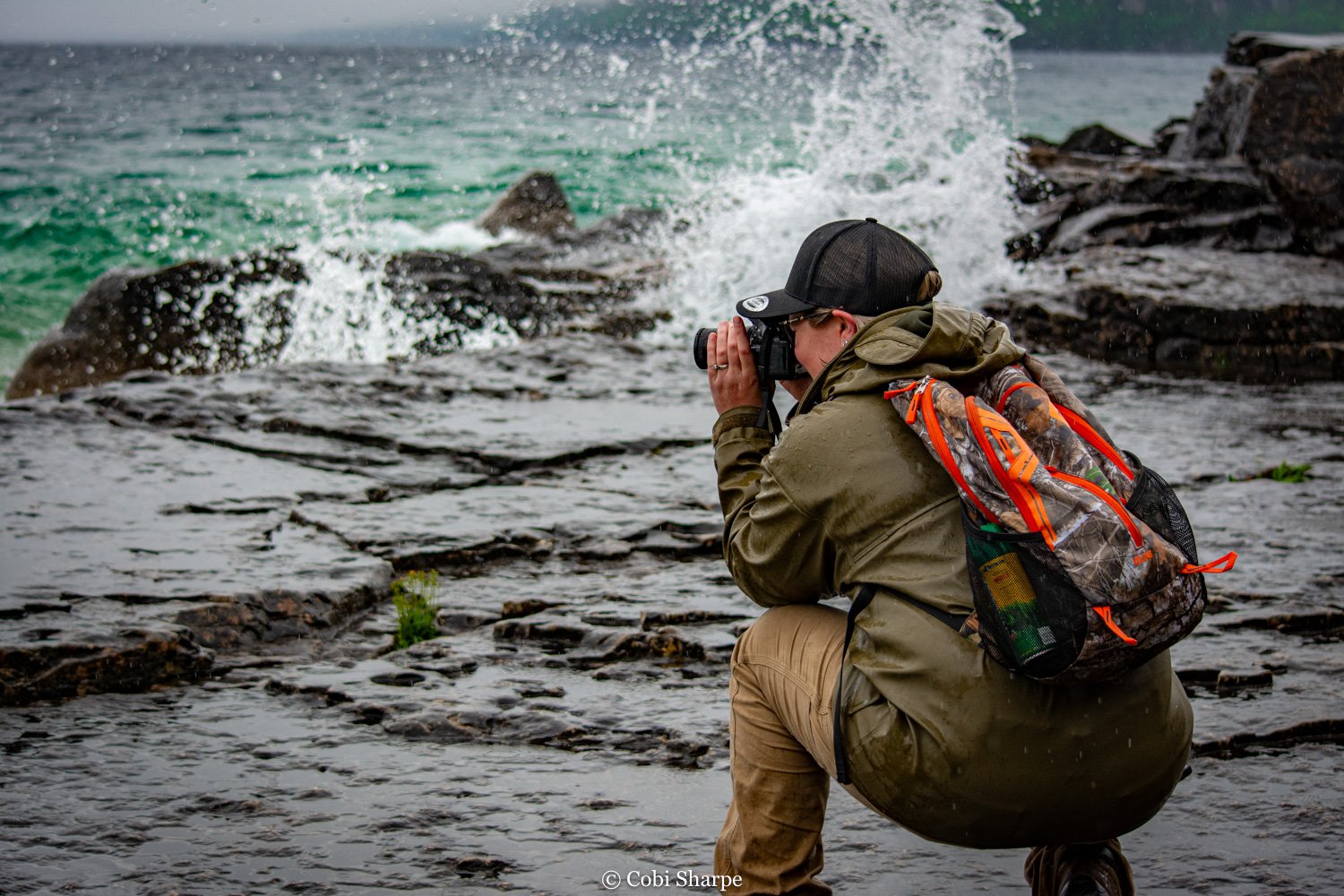
Skill Levels Welcome:
Beginner: You know where the shutter button is and can turn your camera on
Rusty: You shot manual mode 10+ years ago and need a refresh
Intermediate: You shoot aperture priority but want full manual confidence
Advanced: You're comfortable with manual mode but want creative vision development
Key Takeaway: You don't need to be "ready enough." You're ready exactly as you are.
What Makes Spark Workshops Different?
Small Group Instruction (Maximum 10 Participants)
Why Group Size Matters:
Personalized attention: With 2 instructors and 10 participants, you're never lost or waiting, or in some cases 1 instructor and 6-8 participants
Real-time feedback: One instructor demonstrates while the other coaches you individually
No one gets left behind: We move at the group's pace, not the fastest person's pace
Psychological safety: Small groups feel intimate, not overwhelming
Women-Only Learning Environment
What Changes:
No mansplaining
No rushing
No judgment for asking "basic" questions
No apologies for stopping to photograph light through trees
Permission to prioritize yourself without guilt
Key Takeaway: This is an ego-free zone designed for creative reclamation, not competition.
Frequently Asked Questions About Photography Workshops
"Is my camera too old?"
If your camera has manual mode (the ability to adjust ISO, shutter speed, and aperture), it's perfect. You don't need the latest model. Many participants shoot with cameras 5-10 years old.
"Will I slow everyone down?"
No. Our small group size (maximum 10) and in some cases two-instructor model mean we move at YOUR pace. You won't be left behind. If you need extra time to practice a technique, we make space for that.
"What if I've forgotten everything about manual mode?"
We assume you're rusty and teach from the ground up—no jargon, no assumptions about prior knowledge. We also offer a "Learn Manual Mode" workshop specifically designed to prepare you for photography adventures like this. Learn more about our foundational workshops here - https://www.sparkadventurephotog.com/manual-mode-photography-workshop-women-ontario.
"Can I justify spending this on myself?"
Creative time is not indulgent. It's essential. This is your turn. If the voice saying "maybe later" or "when things slow down" sounds familiar, that voice has been lying to you. There is no perfect time. This is it.
"What skill level do I need?"
You need to be able to turn your camera on and know where the shutter button is. That's it. We welcome beginner, rusty, intermediate, and advanced photographers. Our instruction adapts to YOUR level.
"What if the weather is bad?"
Weather changes. We teach you how to adapt your settings and your creative vision for changing light and conditions—so you can capture powerful images no matter what the sky is doing. Overcast days offer soft, even light. Storms create drama. Rain brings mist and texture. It's all usable.
"Will I make friends?"
Yes. Past participants stay connected long after the workshop ends. You'll meet like-minded women who understand why you need to stop the car for the photo—and who become your support system for future solo adventures.
Ready to Reclaim Your Creative Identity?
Next Steps:
Browse upcoming workshops - Bruce Peninsula (Sept 8-11, 2026), Lake Superior, Bird Photography, and more
Join our mailing list - Get photography tips, workshop announcements, and early bird pricing delivered to your inbox
Read testimonials - Hear from women who've reclaimed their cameras and their creative confidence
Book your spot - Workshops fill quickly (maximum 10 participants per session)
You're Not Behind. You're Ready.
You used to love photography. Before the kids, the promotions, the endless carousel of everyone else's needs. Your camera has been gathering dust, and manual mode feels foreign. You've been wondering: Is it too late? Am I too rusty?
Here's the truth we want you to hear: You're not behind. The photographer you remember being never left. She's been waiting for you to dust off your camera and remember who you were before life took over.
This is your turn.