
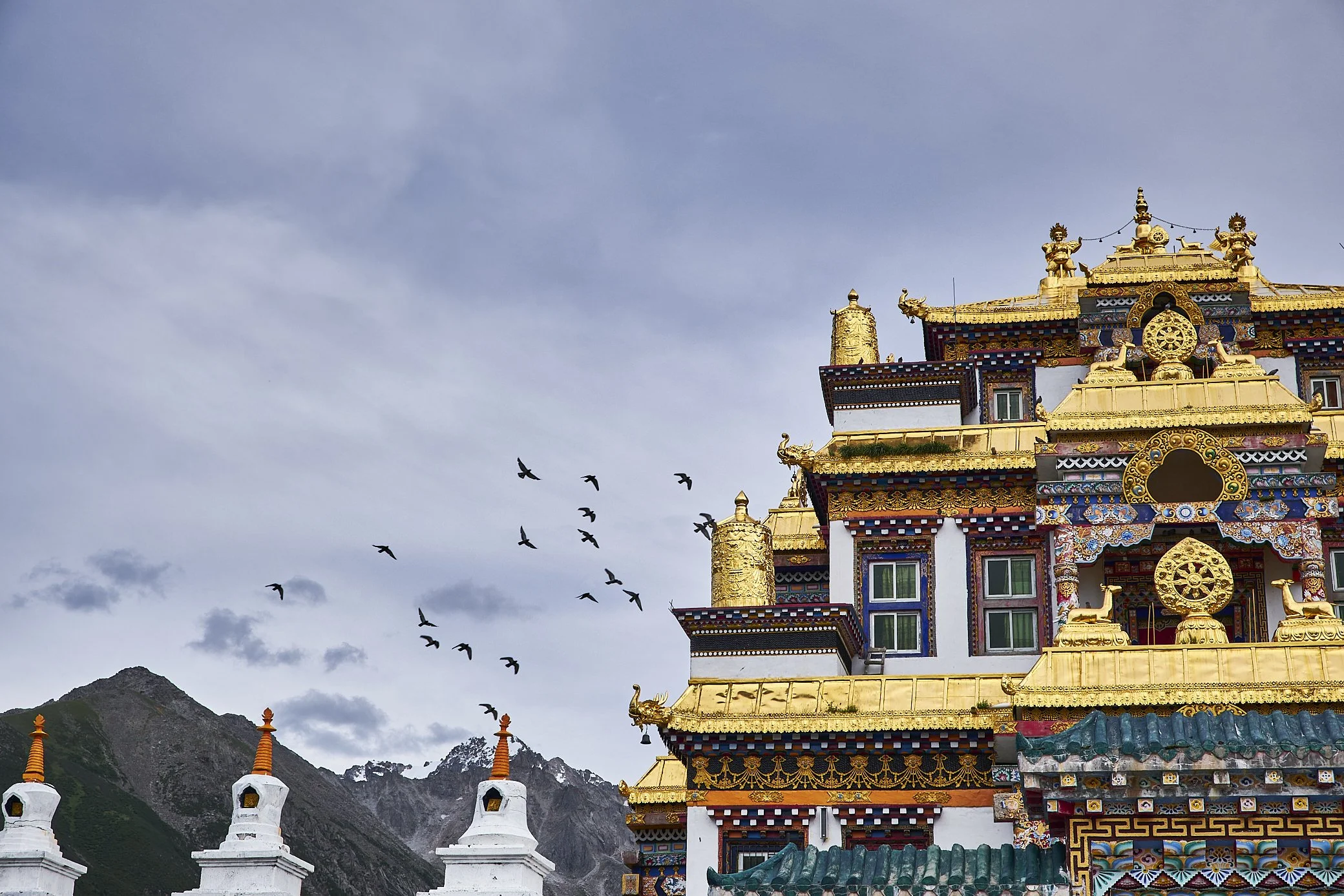
© Ariel EstulinWomen’s Photography Adventure: Kham Tibet, Western Sichuan
Western Sichuan. Kham Tibet. 15 days. 8-10 women. One of the last truly wild places on earth.
Trip at a glance:
Dates: June 27 - July 11, 2027
Duration: 15 days / 14 nights
Starts and ends: Chengdu, Sichuan Province, China (airport code: CTU)
Group size: Maximum 10 women
Fitness level: Moderate
Highest altitude: Approx. 4,937 m (16,200 ft) at Riwuqie Pass viewpoint
Accommodation: Boutique Tibetan hotels and clean guesthouses throughout
Payment Schedule
Investment: $7,550 USD per person
Deposit: 50% holds your space. Balance due 3 months before departure.
In collaboration with…
Elevated Trips is an adventure travel company based in China that focuses on ethical and community-based tourism. They offer eco tours and unique experiences that are off the beaten track on the Tibetan Plateau and beyond that benefit the local communities. Their tours and treks are culturally immersive and full of wonder and life and focus on small group sizes and authentic experiences.
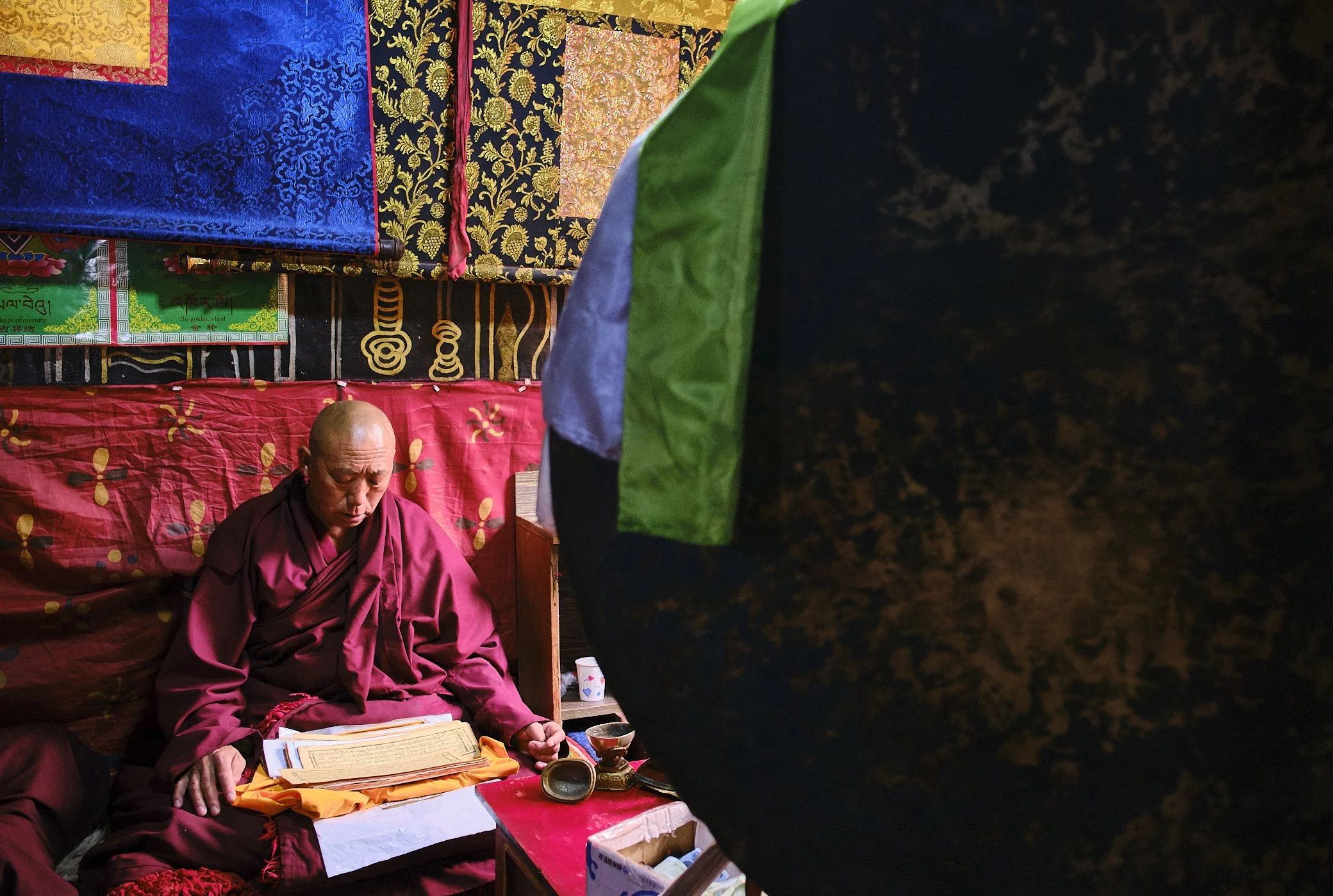
All images © Ariel Estulin
15-Day Kham Tibet Photography Itinerary
Itinerary is subject to adjustment based on weather, road conditions, and field opportunities. That is intentional. The best moments on this trip have been the unplanned ones.
-
We will begin our journey Chengdu, the capital of Sichuan Province with over 14 million people. Chengdu is the hub of western China as the largest railway hub in the world and is famous for some of the best food in China, characterized by hot peppers and numbing seeds (but don’t worry- there are foods for all palettes, even those not particular to spicy cuisine!).
We will sleep in a hotel right across from the Chengdu airport.
Accommodation: 4-star hotel, Chengdu
-
Today we will drive 325km out of the heart of the Sichuan basin’s “Land of Abundance” from Chengdu to Kangding and see bamboo forests and tea plantations along the way. We will follow the steps of the ancient Chinese porters as they carried loads of tea weighing 200 pounds per person for trade into the Tibetan Plateau. After experiencing a mind-boggling variety of landscapes from 500 m (1,600 ft) in Chengdu we will arrive in Kangding at 2,560 m (8,400 f).
At night we will visit Kangding’s Ngachu Monastery, followed by a Tibetan community circle dance in the local square (feel free to join in!)
Accommodation: Hotel, Kangding
-
We wake up in the cozy hotel to a nice breakfast. From there we take off for a day hike from 2,600 meters to 3,100 meters. This hike includes about 4 hours of total round trip hiking and departs immediately behind the hostel we are staying in up to a beautiful pasture where we will get our first views of the extraordinary Minya Konka range. This will be a great way to acclimatize for the upcoming trek as well as get a taste for the mountains. We will arrive back in town in time for a traditional Tibetan dinner in Kangding.
Accommodation: Guesthouse, Kangding
-
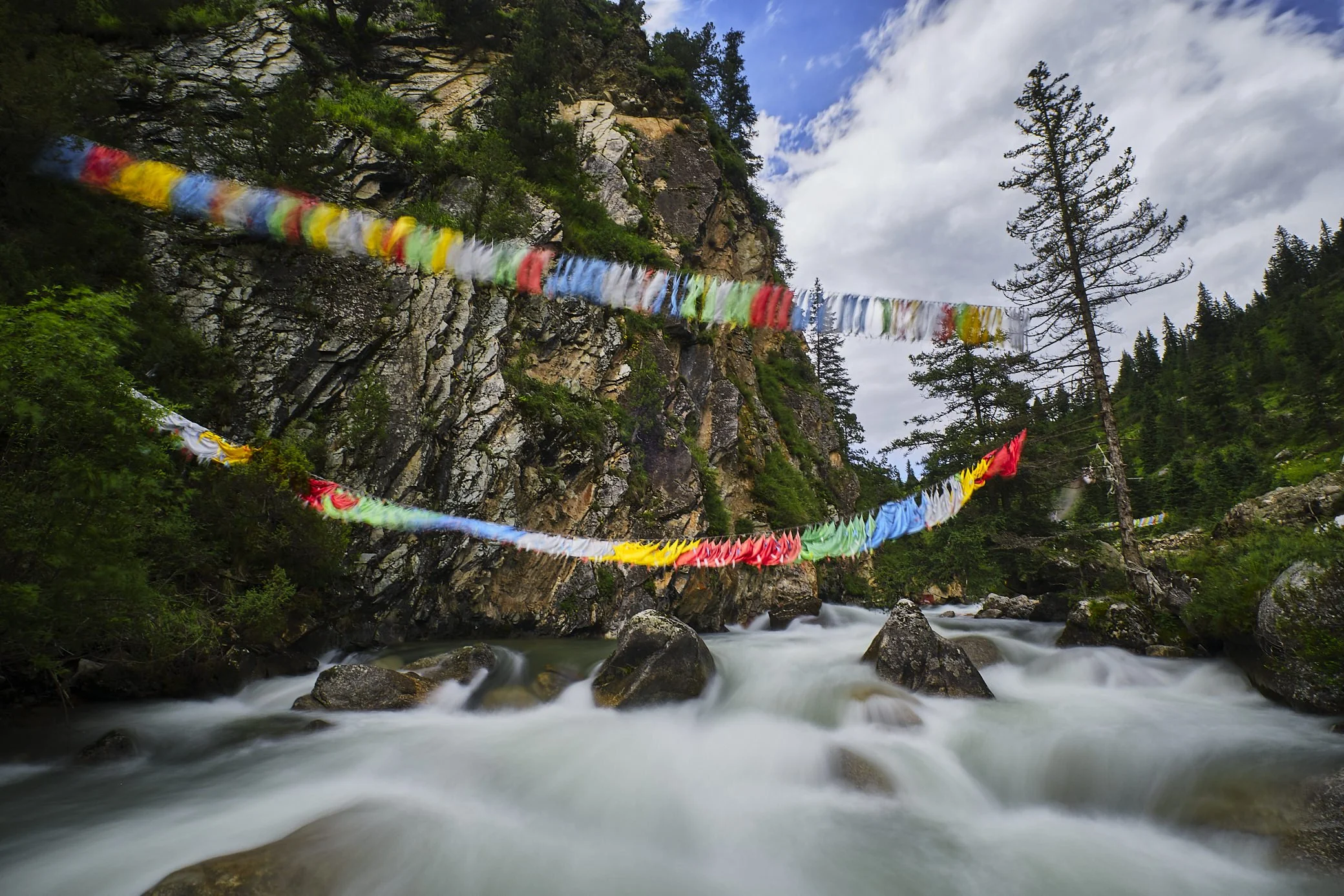
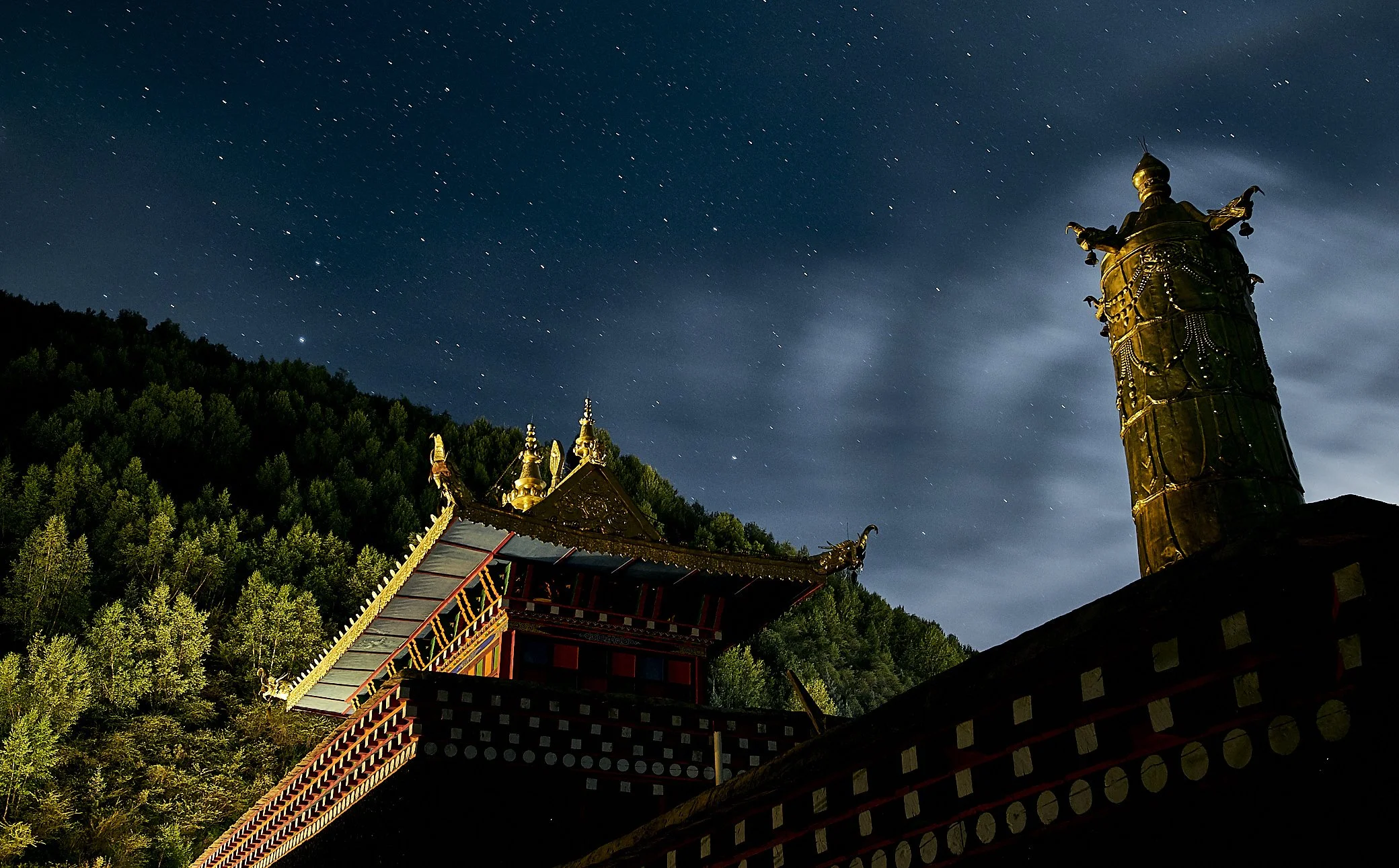
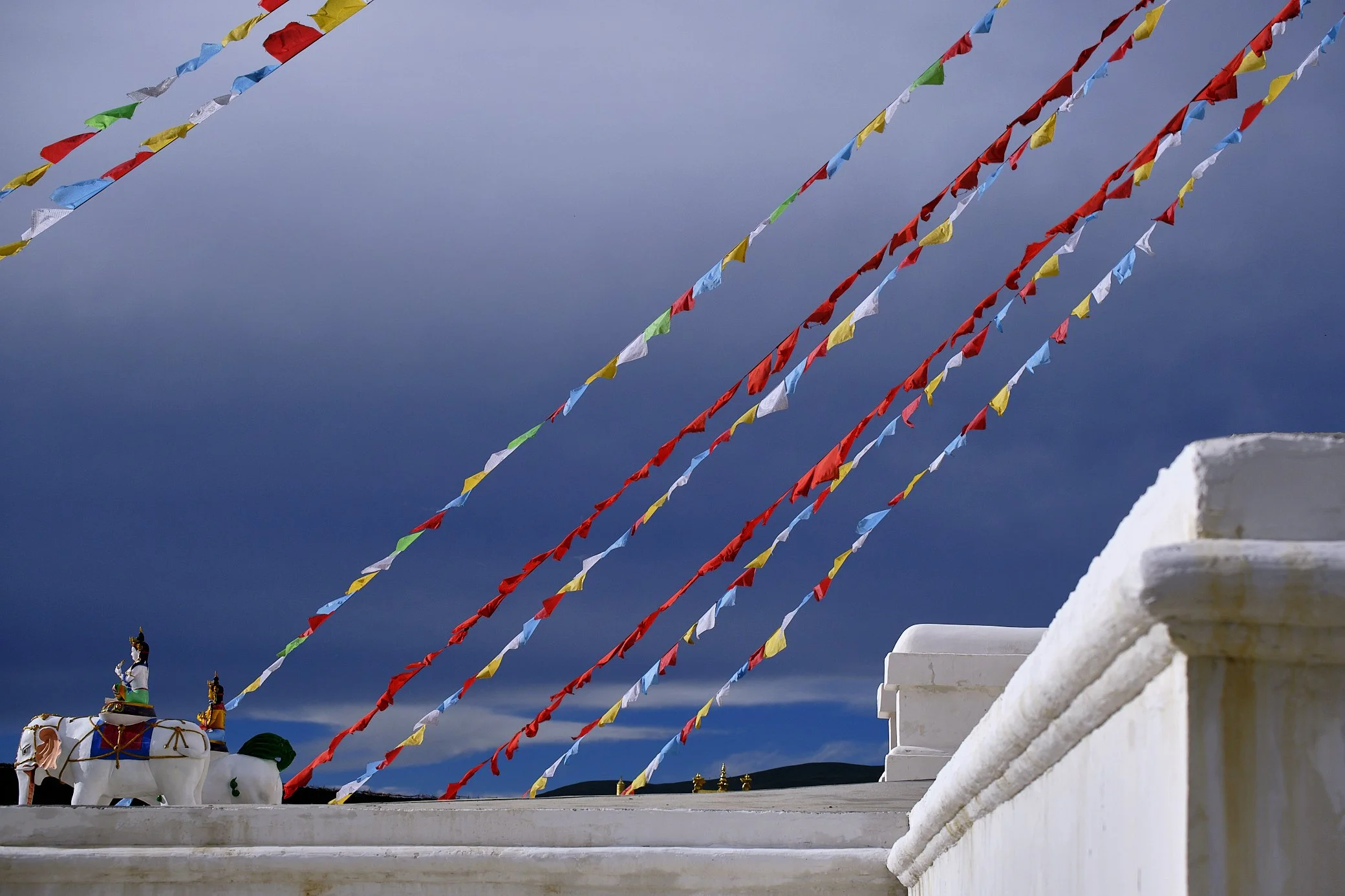
After another delicious breakfast, we depart Kangding on a 3 hour drive up to 3,700 meters to a very unique Tibetan town called Tagong. Tagong is famous for it’s grassland cowboys and its elegant stone architecture. Along the way we will stop at snowy pass at 4,200 meters with an extraordinary mountain view from a Buddhist pagoda full of colourful prayer flags. In Tagong we will explore the town monastery and then drive another 20km to see the Ane Gompa Nunnery with one of Sichuan’s largest mani stone piles. Hundreds of Tibetan pilgrims visit this site everyday to walk around the nunnery and seek healing near the sacred stones.
Accommodation: Hotel, Tagong
-
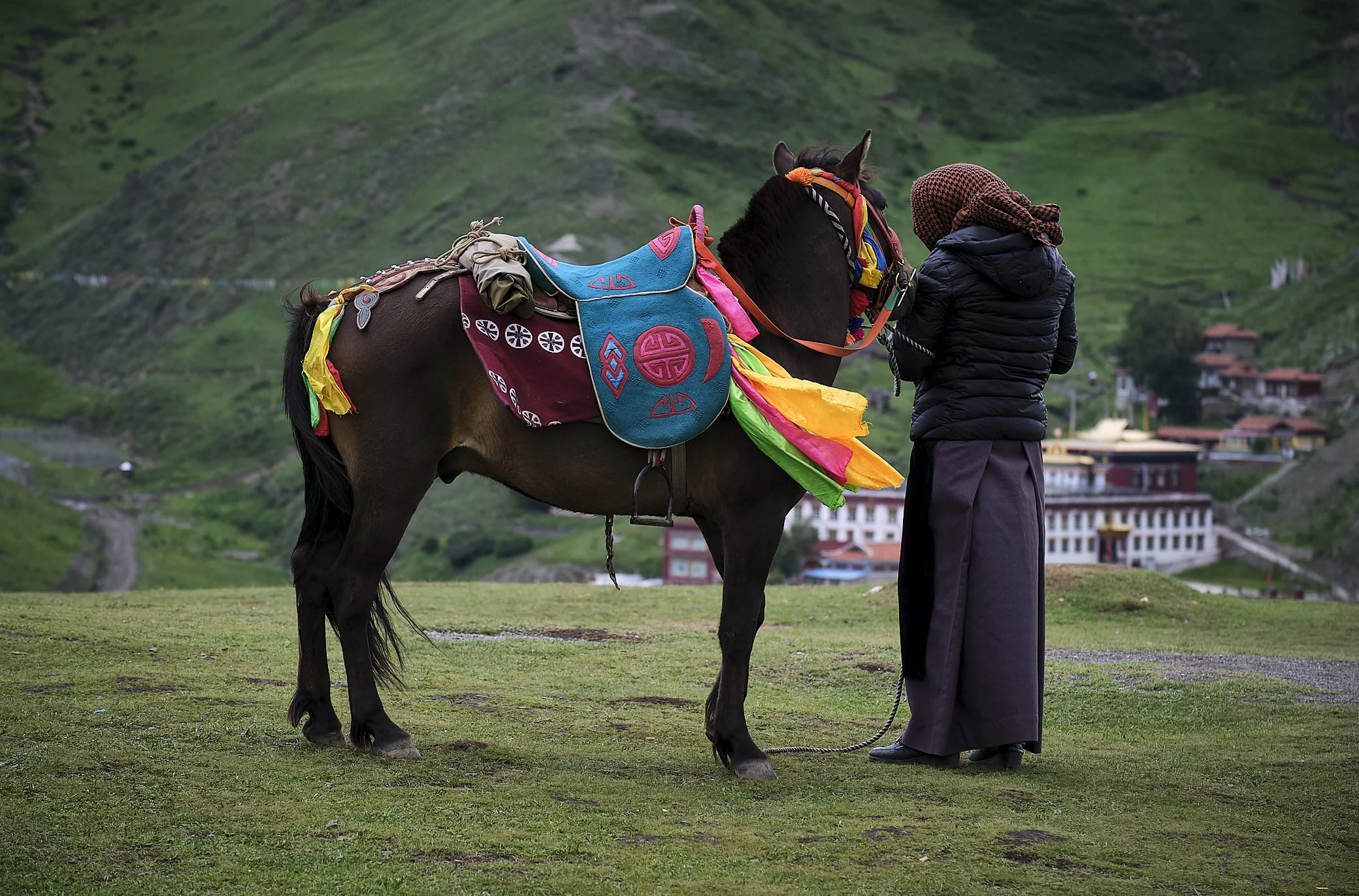
From Tagong, we will travel 180 kilometres (112 miles) from the high grasslands, famous for their horse races and strong horses, to the farming villages of Drango (Luhuo in Chinese). Along the way we may get a chance to experience the barley crops and harvest of a few simple farming villages. We will sleep in Luhuo town at 3,200m (10,500 feet).
Accommodation: Simple, clean hotel, Drango
-
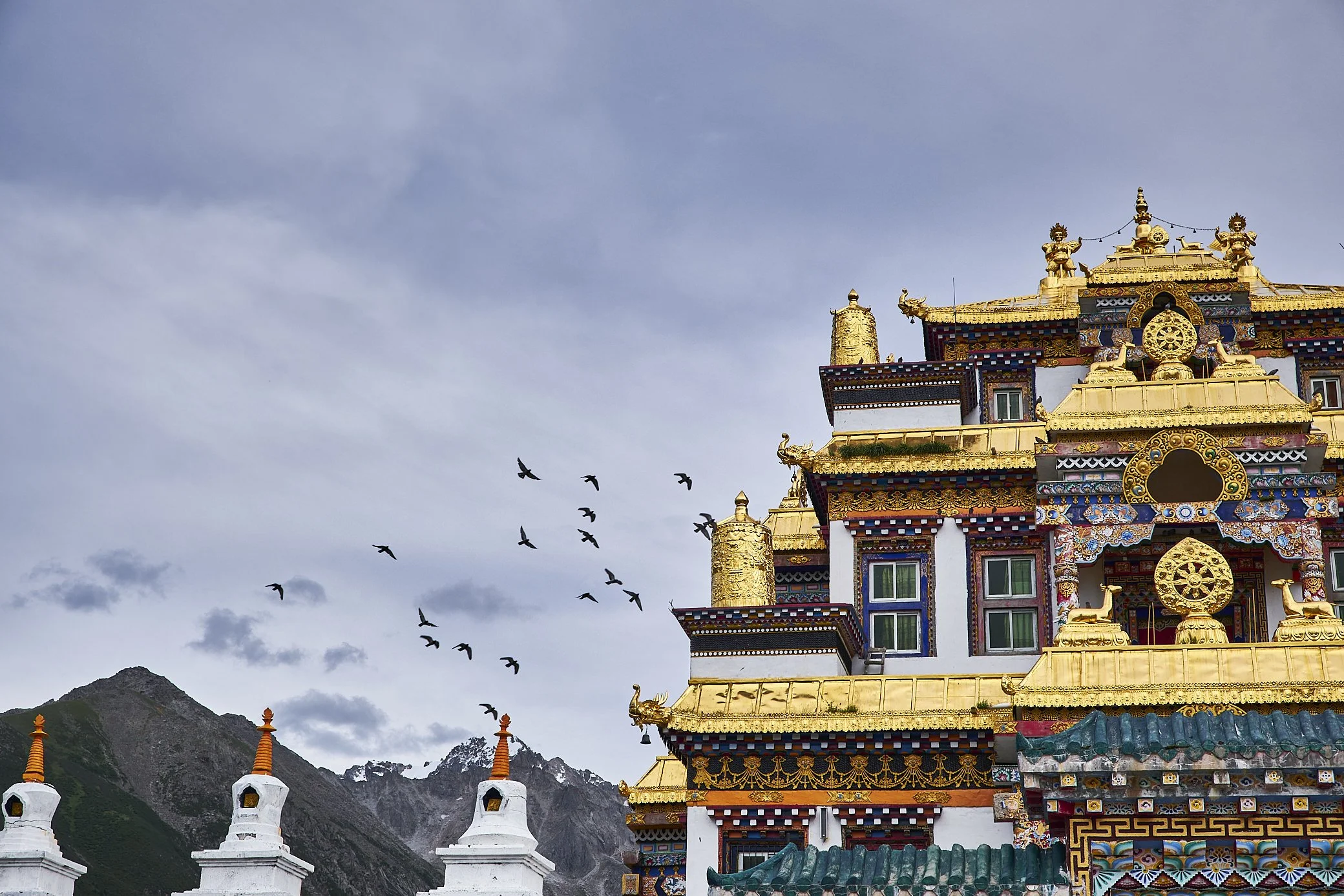
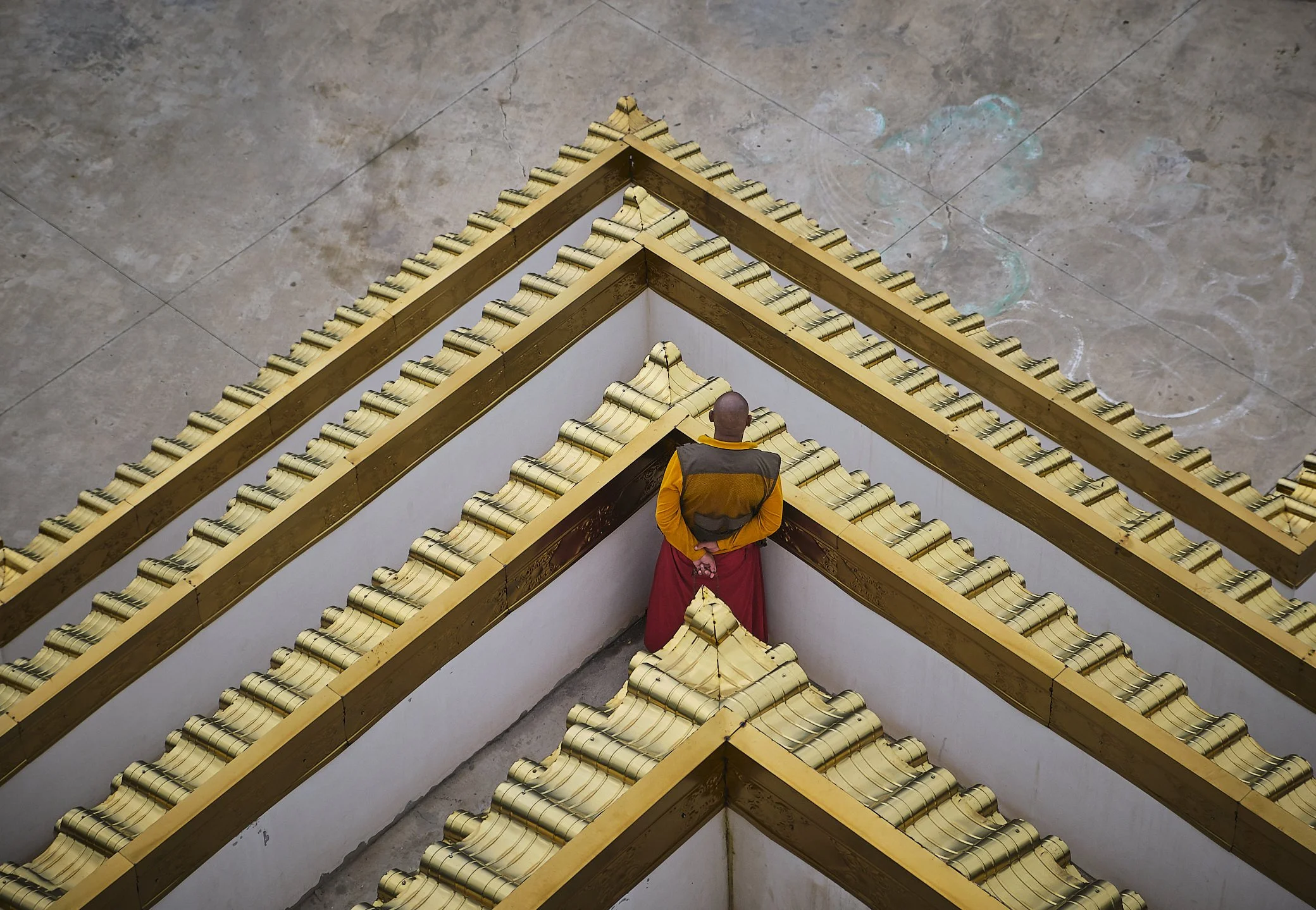
Today we drive 95 km (60 miles) to Garze town at 3,360 m (11.025 feet). Garze contains a lively market and will explore the Ganzi Monastery. This is known as Ganzi Gompa in Tibetan and is found at the north end of the town and belongs to the Gelugpa sect of Tibetan Buddhism. With over 1,500 monks, the Ganzi Monastery is the largest Gelugpa religious site outside of the Litang and Chamdo Monasteries in the Kham region. The halls and terraces of the monastery offer amazing views of the surrounding beautiful valley with its lofty hills and the bustling Ganzi town.
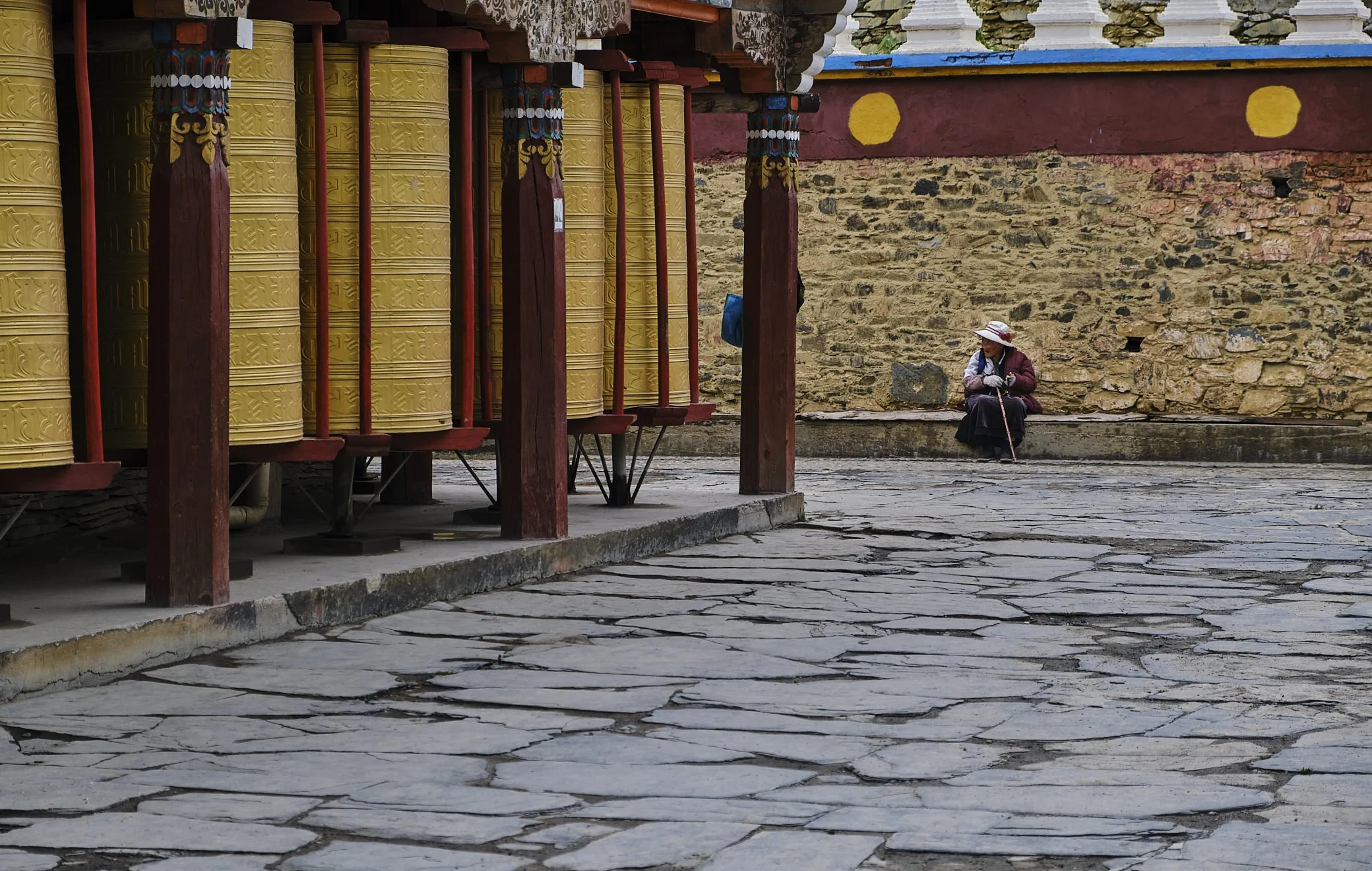
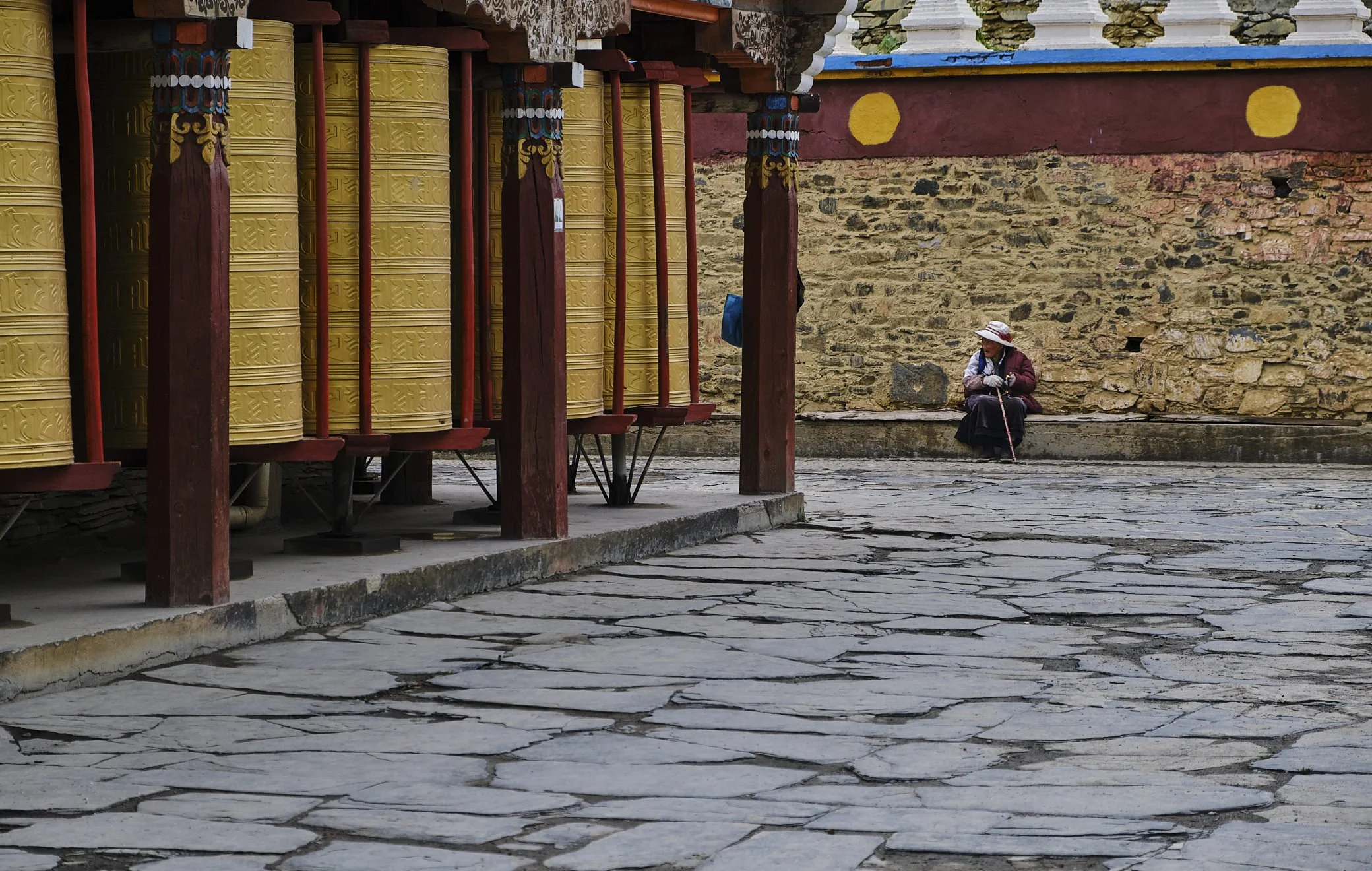
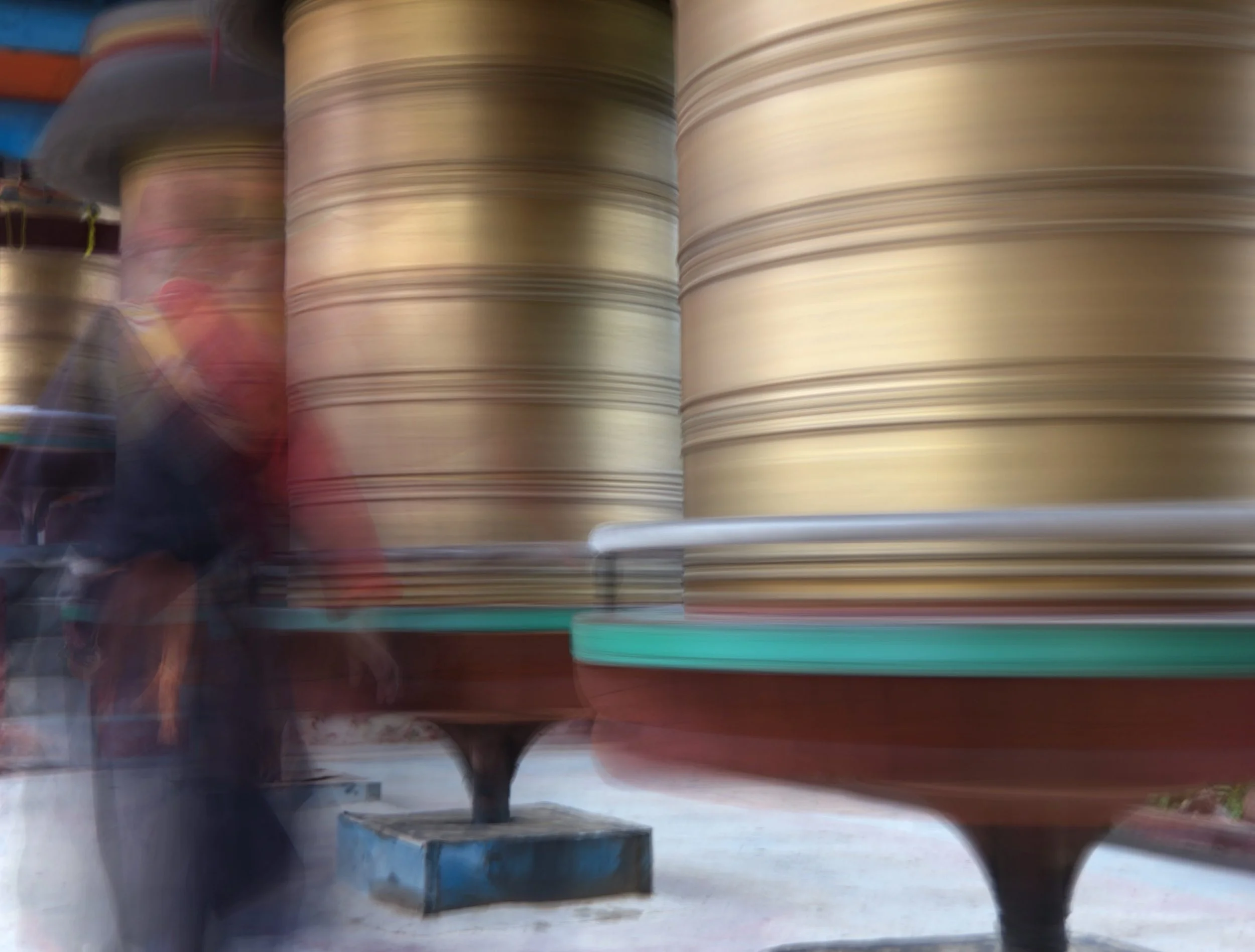
This 540-year old monastery is adorned with a considerable amount of gold. The walls of the grand main hall are lined with hundreds of small golden Buddha statues (Sakyamunis) while an inspiring, large statue of the Maitreya or Future Buddha clad in a silk robes stands in a smaller hall to the west of the main hall. With many resident monks and devotees from the town and nearby areas circling the little chapels with giant prayer wheels, the temple is bustling throughout the day.
Accommodation: Hotel, Garze
-
High in the mountains of Sichuan province, more than 10,000 Buddhist monks and nuns live in the austere surroundings of the Yarchen Gar monastery. Here, they follow the teachings of leader Asong Tulku, who counsels meditation and atonement for his disciples, and is revered as a living Buddha.
Established in 1985 by Lama Achuk Rinpoche, Yarchen Gar – officially known as Yaqing Orgyan – is located in Baiyu county, in western Sichuan’s Garzê Tibetan Autonomous Prefecture. At 4,000 metres above sea level the difficult-to-reach monastery boasts one of the largest congregations of monks and nuns in the world.
Despite modern improvements, hardship remains fundamental to the philosophy at Yarchen Gar. For 100 days every winter, each nun will inhabit a hut, measuring about one square metre, on a hillside on the perimeter of the encampment, to meditate while enduring sub-zero temperatures.
From Yarchen Gar we will continue to the banks of the Yangtze River, the longest river in Asia. Here we will be located in Baiyu County (or Pelyul). This is the heart of Kham Tibet and is one of eighteen counties of Ganzi Autonomous prefecture in Western Sichuan Province. In Tibetan, Pelyul means “a holy and happy place.” Pelyul is on the border with the Tibet Autonomous Region and is roughly 3,000 meters above sea level. There are over 50,000 people here with 94% being Tibetan. In Pelyul will will visit the great Pelyul Monastery, which is one of the great 6 monasteries of the Nyingma Sect.
Accommodation: Guesthouse, Pelyul
-
Today marks the halfway point of our adventure as we drive 80 km (50 miles) from Pelyul to Dzongsar. Here we will visit the historic Dzongsar Monastery. Dzongsar Monastery is a Buddhist monastery in Dege County in the Garze Tibetan Automous Prefecture of Sichuan Province. It was founded in 746, destroyed in 1958, and rebuilt in 1983.
The monastery belongs to the Sakya school of Tibetan Buddhism and was the main seat of Jamyang Khyentse Wangpo and Jamyang Kyentse Chokyi Lodro. However it is noted for its eclecticism of the Rime Movement and its openness to most of the teaching sects of Tibetan Buddhism across many different sects. The monastery is also known for its incense and sells it commercially as Dzongsar Tibetan Incense Powder and Dzongsar Tibetan Incense Sticks. The incense is made from precious, natural herbal materials from the highlands of Eastern Tibet and is said to have healing effects for the mind and soul, and is thought have the ability to prevent infectious disease.
Accommodation: Guesthouse, Dzongsar
-
After a 100km (63 mile) drive we will explore the charming town of Dege. Dege architecture is unique from all other places in Tibet because many of the homes here are multi-story log cabin style homes with hand hewned logs making up the exterior walls. This differs greatly from the stone and mud architecture you see across the rest of the Tibetan Plateau. Dege is right on the border with the Tibetan Autonomous Region (TAR) , Dege, in Chinese or in Tibetan, is the last town in western Sichuan Province before you reach the infinitely large expanse of Chamdo. It is the last major town before the wild (Northern) Sichuan-Tibet highway, G317, leaves Western Sichuan and into Tibet. To enter neighboring Chamdo prefecture, Tibet, foreigner travelers will require special permits.
The historic town of Dege makes up one of the five former great kingdoms of the Kham Tibetan area and many describe this town as the “heart of Kham”. Dege sits in a narrow valley at 3100 meters (10,170 ft) surrounded by mountains and the Sèqū River that runs through the town.
Today we will wonder through Dege town and have a chance to walk through Gonchen Monastery and do the outer kora above the monastery to a hill overlooking the town.
Accommodation: Hotel, Dege
-
Today we rest in Dege town and get to explore the Dege Parkhang Printing Press. The city is famous for its Tibetan lamasery which hosts an invaluable treasury of wooden printing blocks with Tibetan Buddhist texts. About 70% of all Tibetan scriptures used across the Tibetan Plateau are produced in this very important printing press.
The institution was founded in 1729 by Chogyal (dharma king) Denba Tsering. There are more than 140,000 printing blocks, a large collection of national cultural relics and a library comprising 830 books consisting of 10000 volumes. The last surviving copy of an old history of Indian Buddhism is amongst them. Inside you can wander the corridor lined with shelves accommodating the printing blocks and their protruding wooden handles. On the 3rd floor there is the workshop where 6 or 7 pairs of workers ink the blocks and press the paper on them with amazing speed. This is truly a glimpse into the printing techniques of a bygone era. On the next floor, the prints are dried and then assembled into books. In an extra chamber, large format pictures and scripts are printed on cloth. Once you make your way to the top of the printing press the roof offers nice views over the surrounding Tibetan neighbourhood and the new town. A tour of the dark temple concludes the visit.
Accommodation: Hotel, Dege (second and last night in a hotel in Dege)
-
After visiting the cultural wonders of Dege, we will make our way to Manigango , a simple and small town known for its tall Kham people and their cowboy-like swagger. This town is a wild west frontier of Tibet and is situated at 3875m (12,715 feet),.
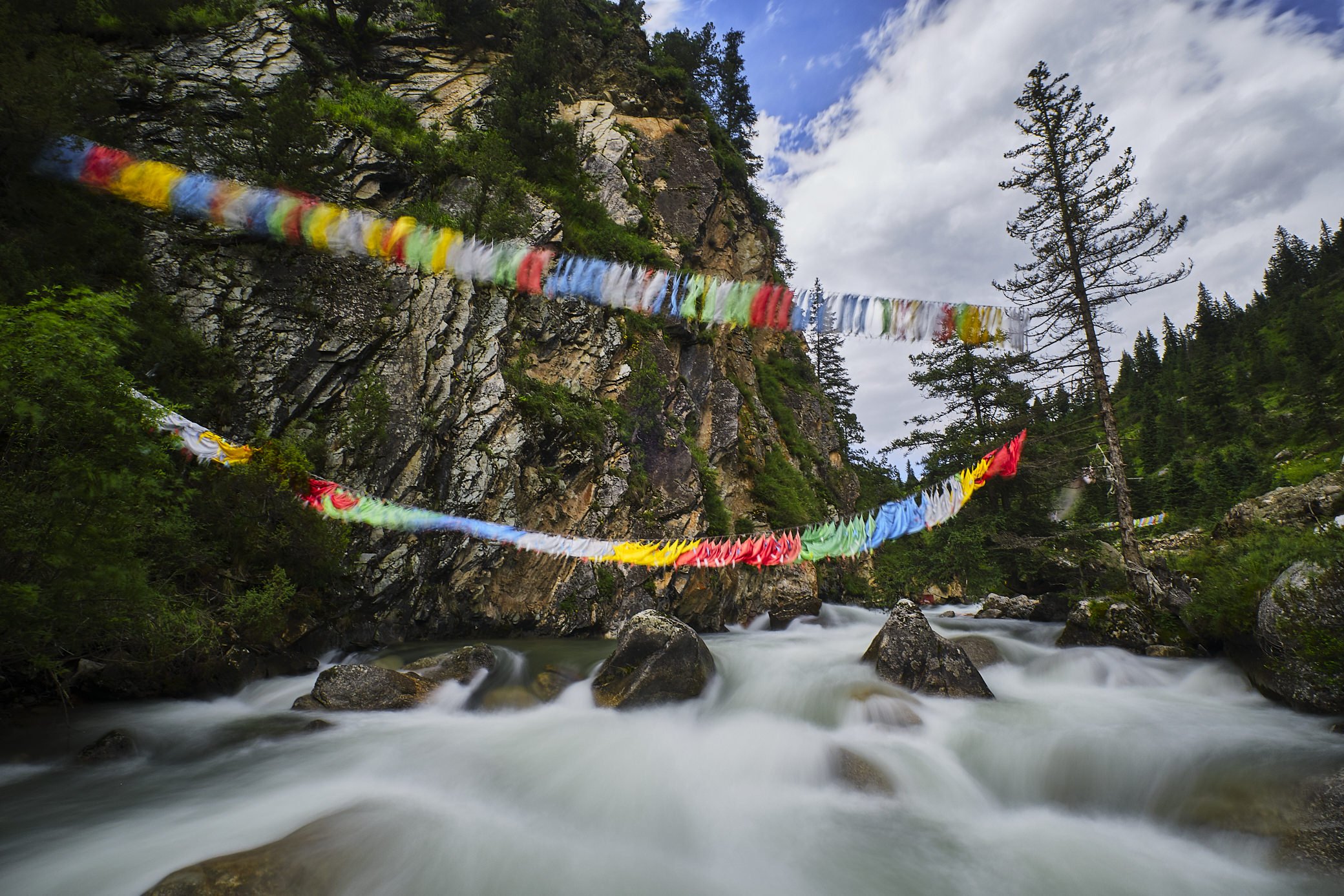
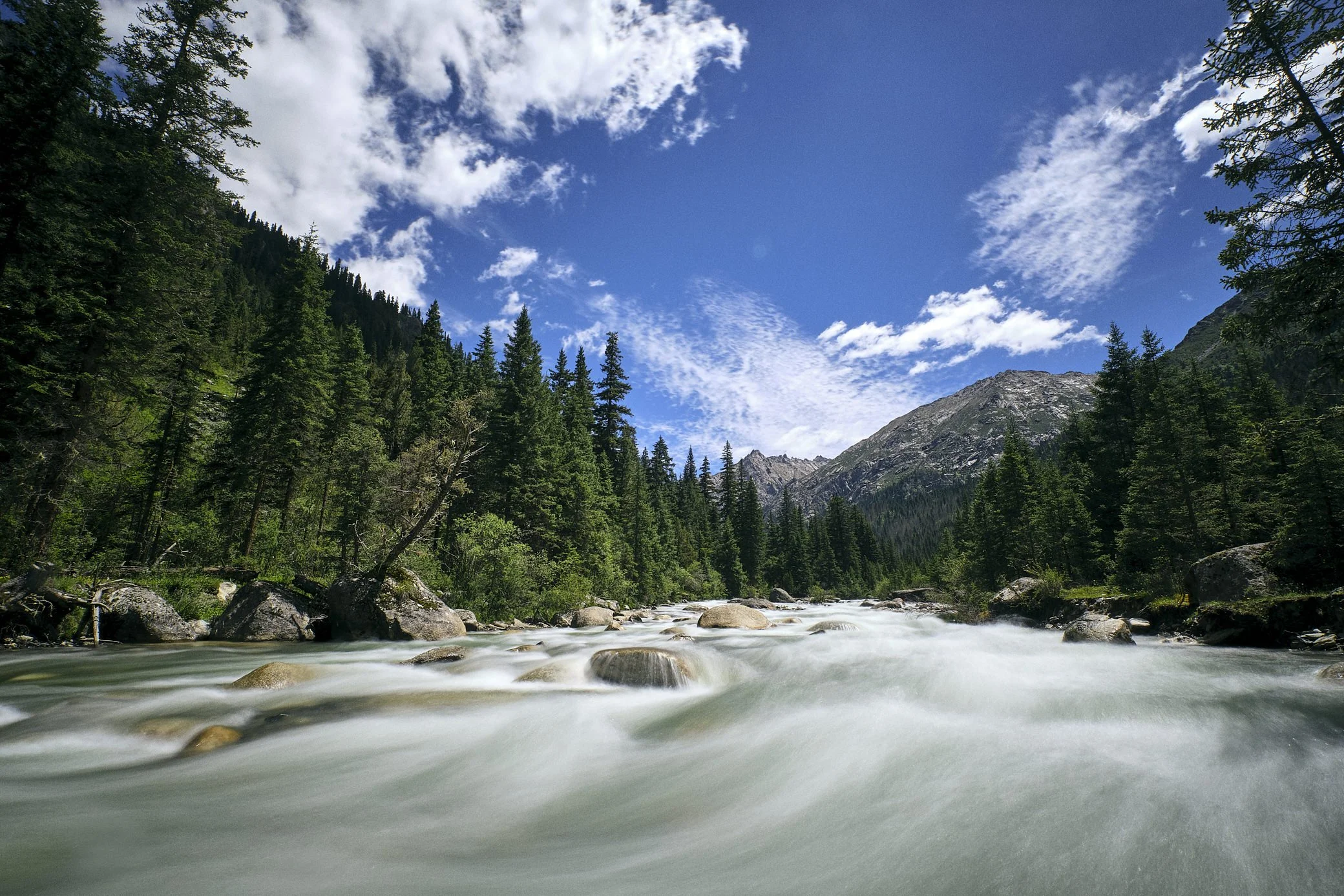
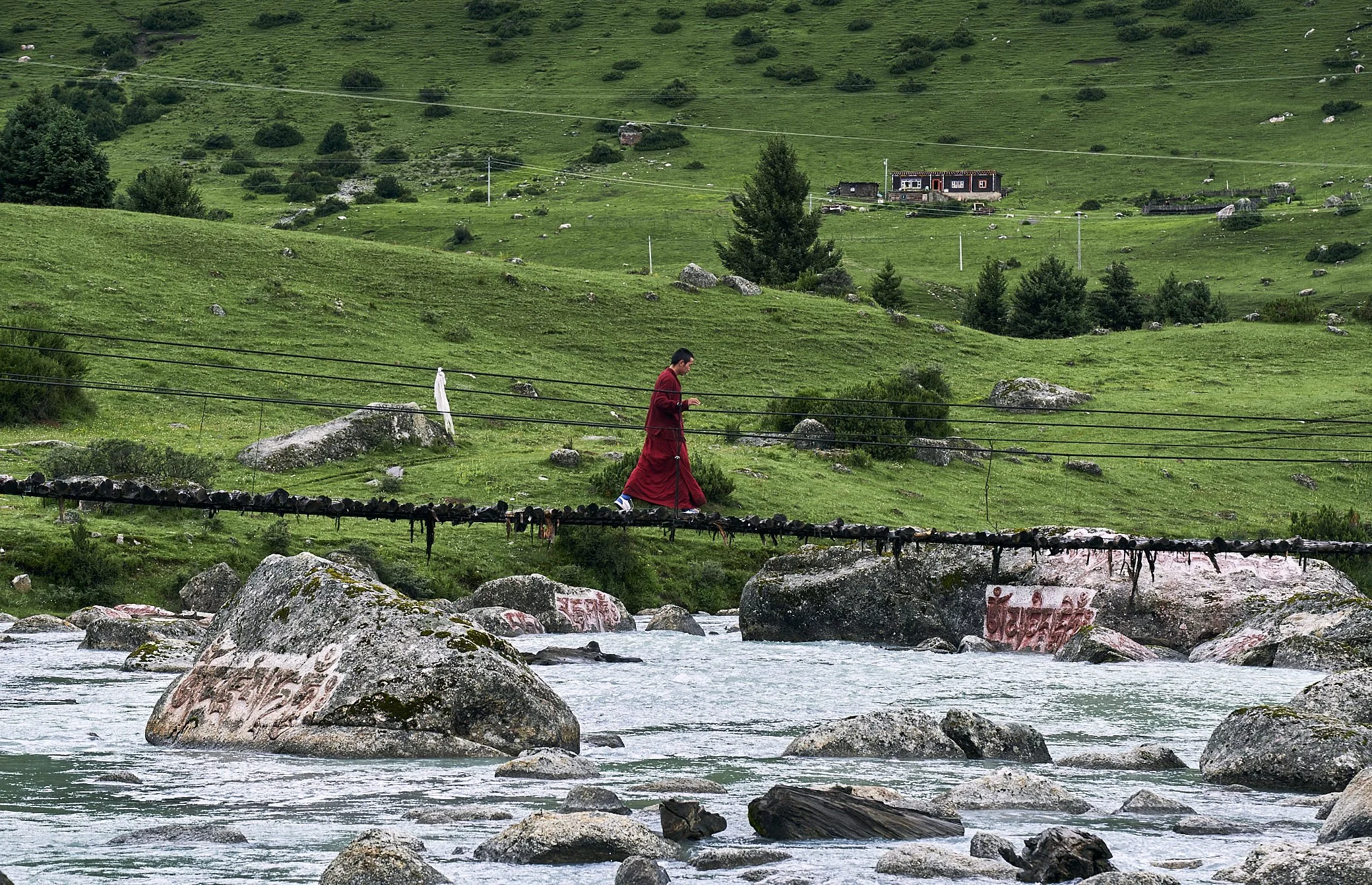
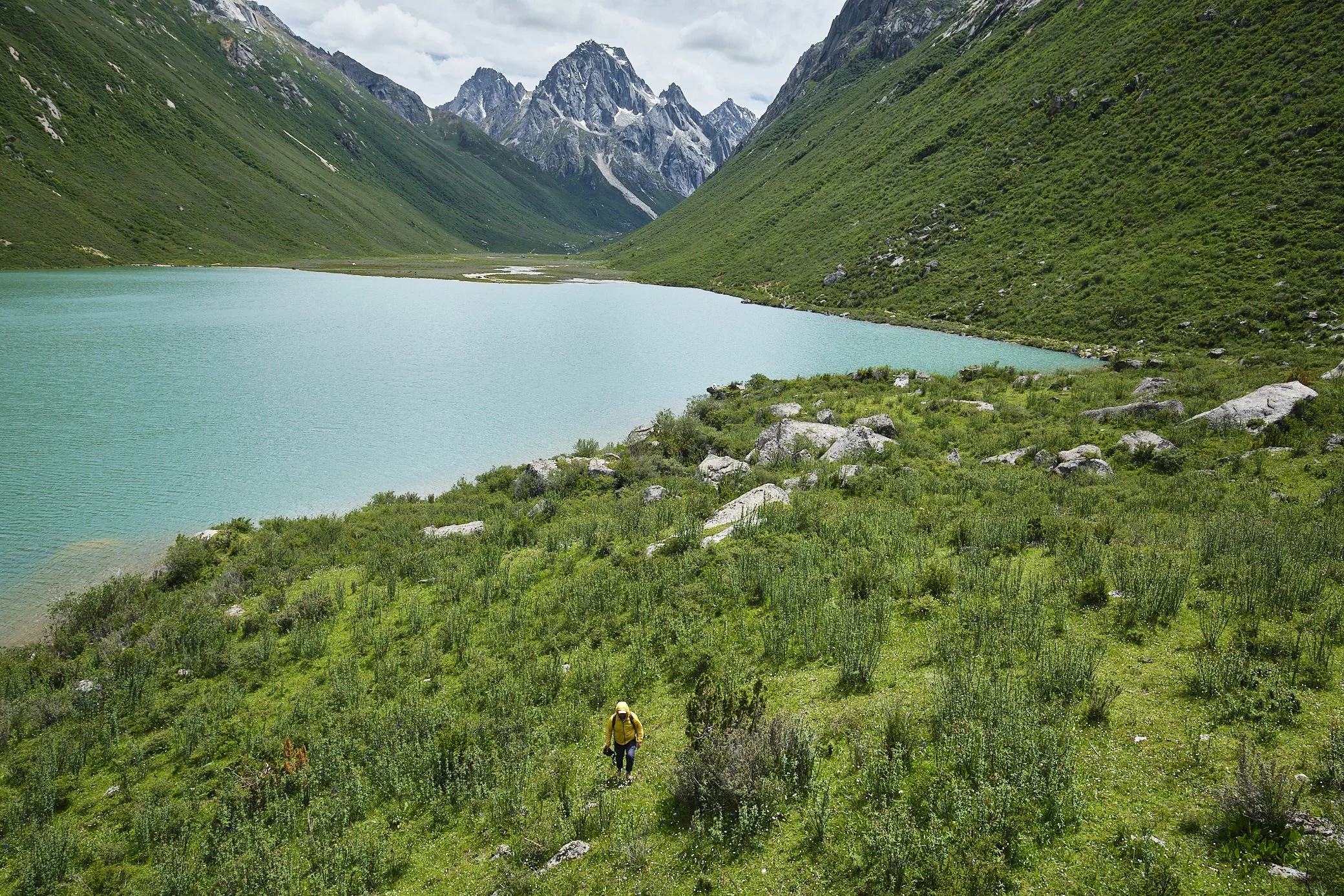
13 Km West from town is the Yihun Lhatso (Lake) right at 4000m (13,100 feet) near the road that goes to Dege. This glacial lake is one of the most beautiful and holy lakes in Tibet, with brilliant turquoise waters that rise into groves of evergreen trees and rocky canyons.. With huge boulders as large as cars that have been hand carved with sacred Tibetan mantras, this lake feels like something magical straight from the pages of the Chronicles of Narnia. We will spend the day hiking around the lake’s perimeter and scrambling across the large Mani stone boulders in an outdoor playground full of curiosity and history. From the lake on a clear day we will be able to view Mt Trola at 6168m (20,236 feet).
Accommodation: Simple hotel, Manigango
-
From Manigango, we start to make our way back to Chengdu as we start the close of our tour. Today we will drive 185 km (115 miles) back to Drango town (Luhuo) and learn about nomadic culture in the grasslands. Good day for image review.
Accommodation: Hotel, Drango
-
We will drive 60kms (163 miles) from Drango to Maerkang at 2625m (8600 feet). Maerkang is known across Tibet for as the area of the ethnic Jiarong Tibetan people and their unique dialect. This is one of the lowest elevations on the Tibetan Plateau and as such has a climate that is condusive to farming (unlike much of the Tibetan Plateau that is too harsh a climate to grow trees or even grass). In fact much of Sichuan’s famous numbing peppercorns come from this agricultural area where the Jiarong people live. Located 8 kilometers outside of the prefectural capital of Maerkang lies the sleepy Rgyalrong Tibetan town of Zhuokeji. As we walk into the Zhuokeji Tusi Official Manor we will take a step back in time as we explore this village to get a feel for ancient Tibetan lifestyle, art, and architecture. The manor was originally built in 1286, but after the village was destroyed it has been rebuilt in its original conditions to preserve history.
Accommodation: Hotel, Maerkang
-
Our last full day of the tour will take us from Maerkang into the sprawling city of Chengdu. Most of the day will be spent driving and reviewing our photos as the road is about 320 kms (200 miles) back into Chengdu. We will rest and clean up in a nice hotel in Chengdu.
Accommodation: 4-star hotel, Chengdu
-
We will have a nice buffet breakfast in our Chengdu hotel and then we will say our good byes as our tour concludes in the morning.
Your Camera Has Been in the Closet Long Enough.
Western Sichuan. Kham Tibet. 15 days. 8 women. One of the last truly wild places on earth.
You pull it out. The battery's dead. You charge it, clean the lens, and think: I used to love this. Where did that go?
It went where everything goes when life takes over.
This trip is getting it back.
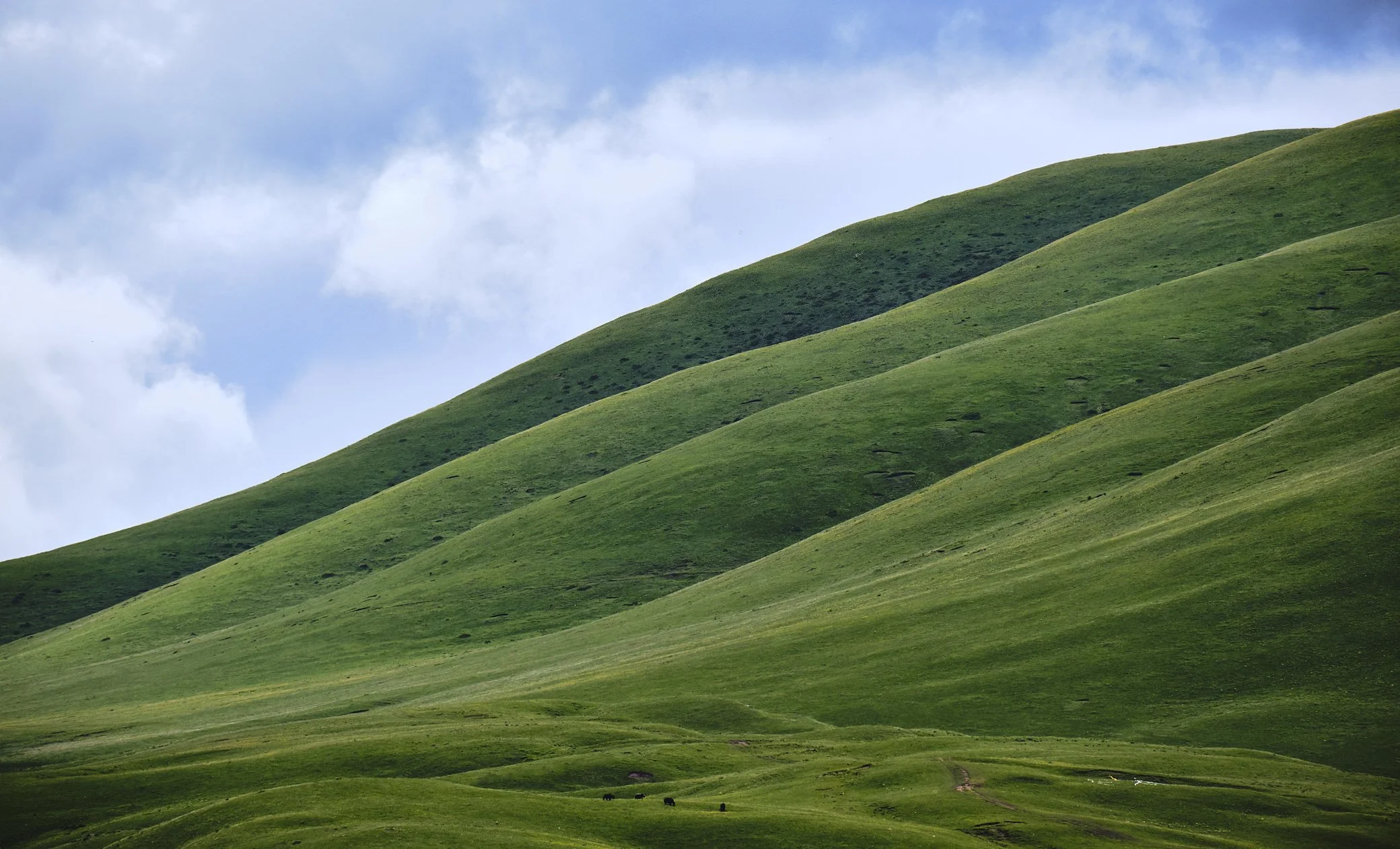
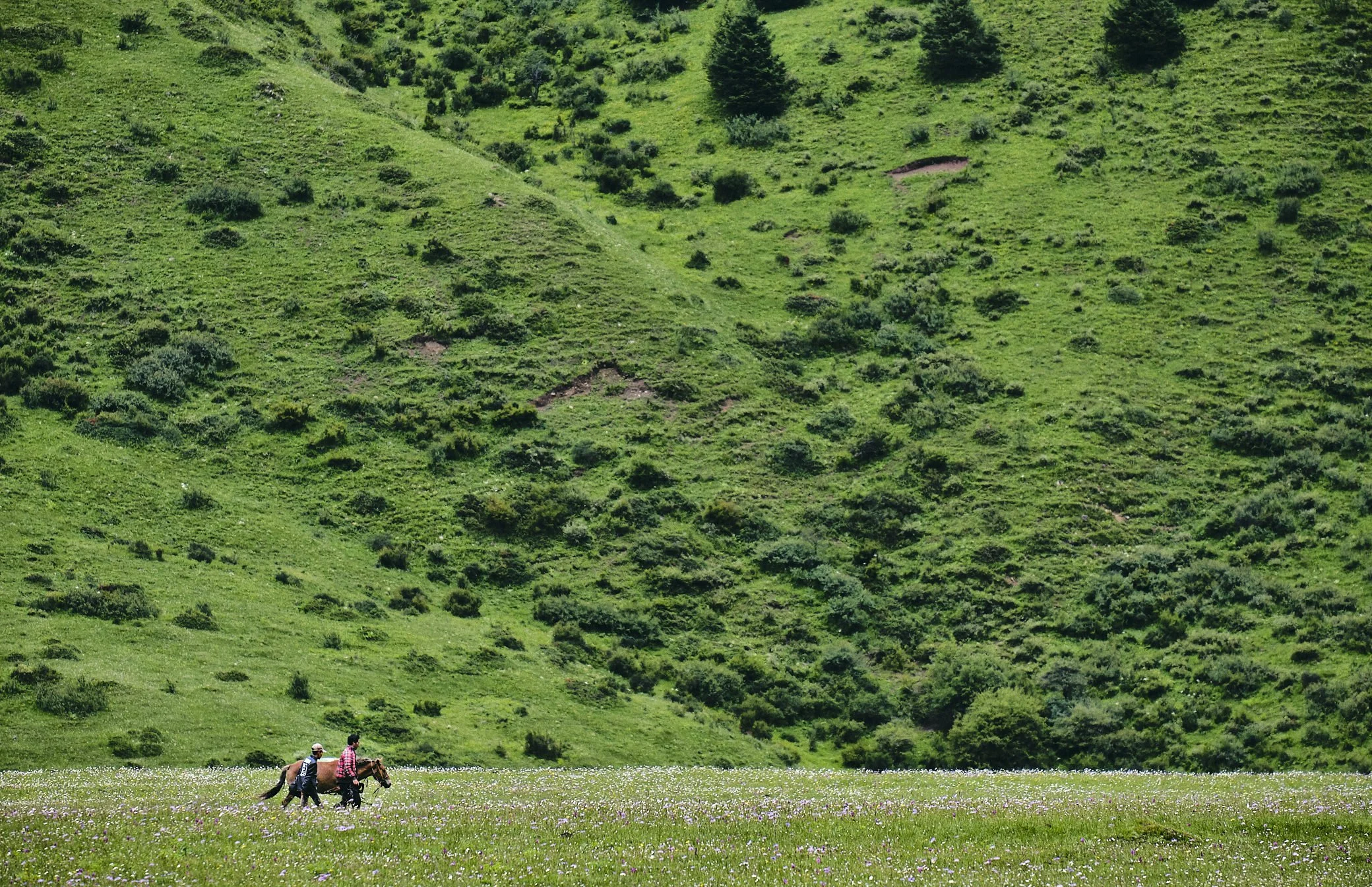
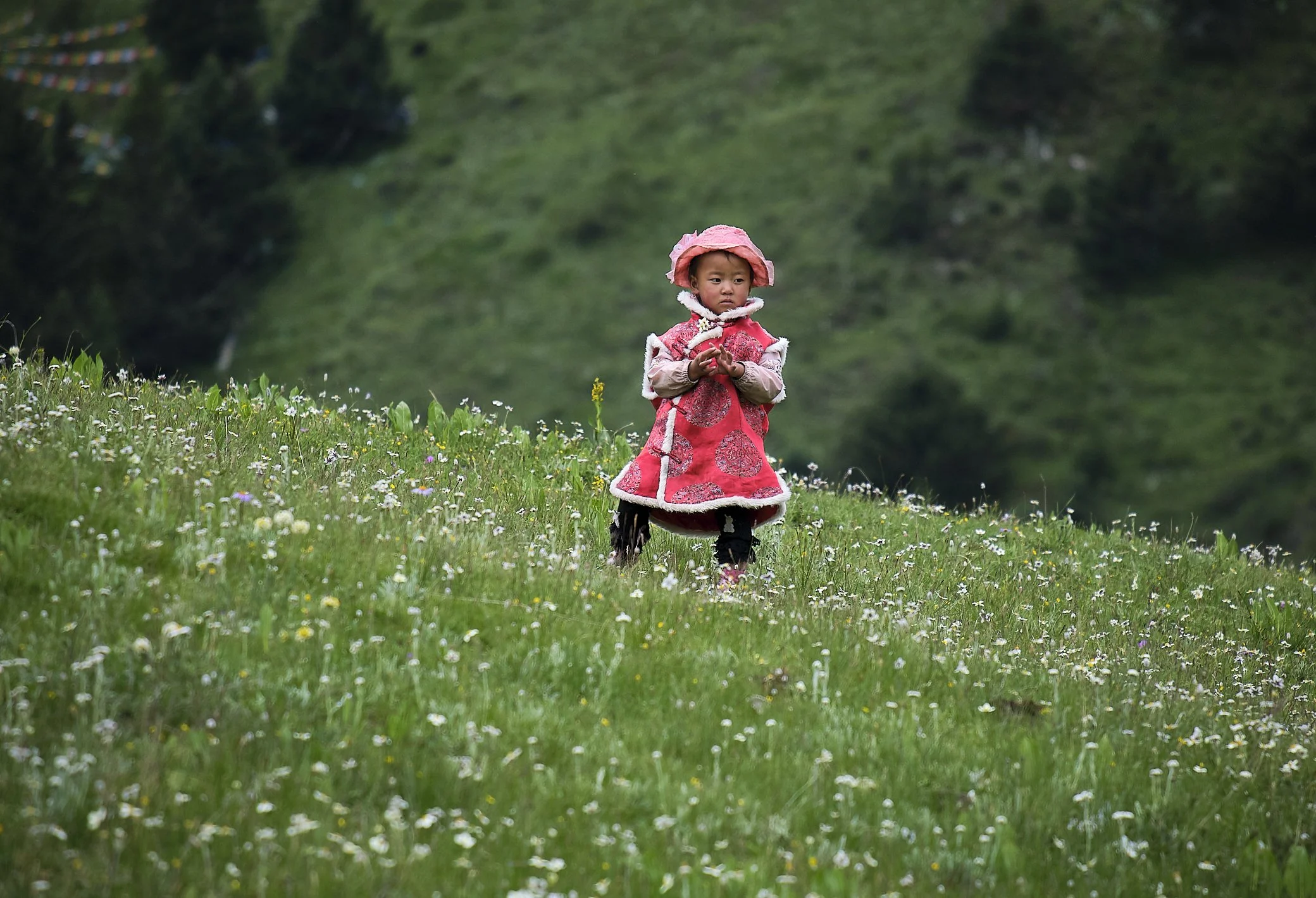
Not on a bus with 40 strangers burning through a checklist. Not on the Lhasa-to-Everest route that 80% of Tibet tours run. This is Western Sichuan. Kham Tibet. Remote monasteries where 10,000 monks and nuns live at 4,000 metres above sea level. A glacial lake the colour of the sky, ringed with boulders the size of cars, hand-carved with sacred mantras. Nomadic grasslands where Tibetan cowboys ride horses across land that has barely changed in 500 years.
You'll shoot all of it. With women who are there for the same reason. Photography.

What Is the Kham Tibet Women's Photography Adventure?
The Kham Tibet Women’s Photography Adventure is a 15-day photography workshop in Western Sichuan, China, combining cultural immersion, and access to some of the most visually extraordinary and least-visited landscapes on the Tibetan Plateau.
This is not the Tibet tour you've seen before.
About 70-80% of Tibet tours follow the same route: Lhasa to Everest Base Camp. It's a lovely trip. It's also the trip everybody takes. The landscapes are spectacular. The monasteries are stunning. And there are tour buses lined up at every stop.
Kham is different.
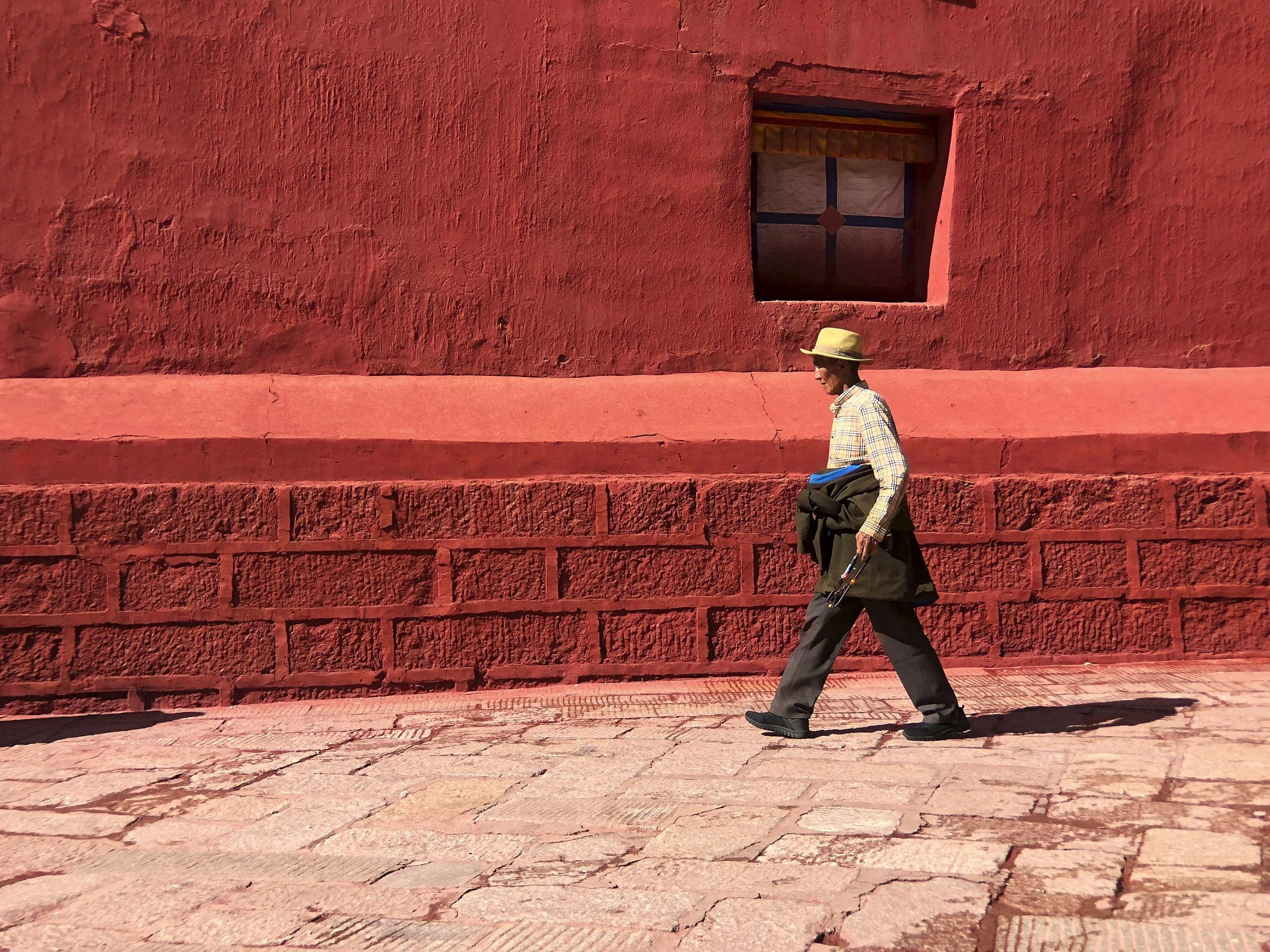
The Kham Tibetan people are known across the plateau for their fierce independence and their deep-rooted culture that doesn't rely on tourism. When you photograph here, you're not photographing a performance. You're photographing people living their actual lives.
And because we build this itinerary with extra days specifically so you don't rush, the unscripted becomes possible. Spark’s workshop leader Ariel's last trip through this region, the guide mentioned a local festival happening the next morning. They stopped. They were the only foreigners there. That kind of thing doesn't happen on an 8-day tour burning through the same route everyone else takes.
It happens when you slow down and give it room.
What Photography Skills Will I Build on This Trip?
Every day of this trip is a photography lesson. Not in a classroom. In the field, in changing light, at altitude, with real subjects that won't wait for you to figure it out.
What you'll work on every day:
Manual mode in real conditions
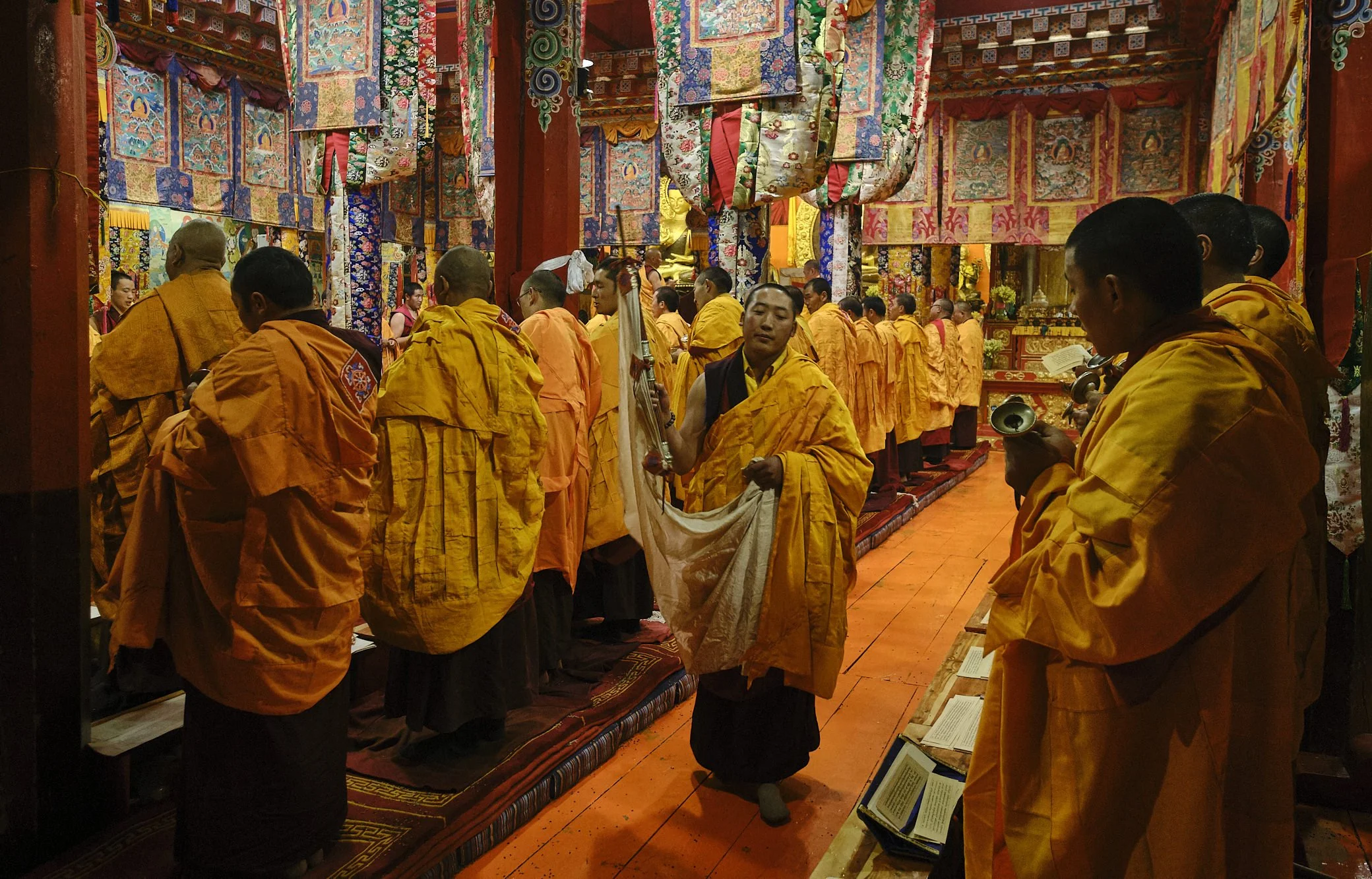
In high alpine light at 4,000 metres. At sunrise over a glacial lake. Inside a monastery lit only by butter lamps and daylight through narrow windows. Manual mode forces you to slow down and pay attention. That's the point. Manual mode will help you come home with photos you’re obsessed with (not frustrated with).
Exposure decisions across changing light
Golden hour on the grasslands reads completely differently than midday at a mountain pass. You'll make exposure decisions daily and understand why. By the end of 15 days, it's muscle memory.
Composition for landscape and cultural photography
Wide open grasslands and intimate monastery courtyards ask completely different compositional questions. You'll work through both, with daily field feedback on what's working and why.
Portrait and street photography with cultural respect
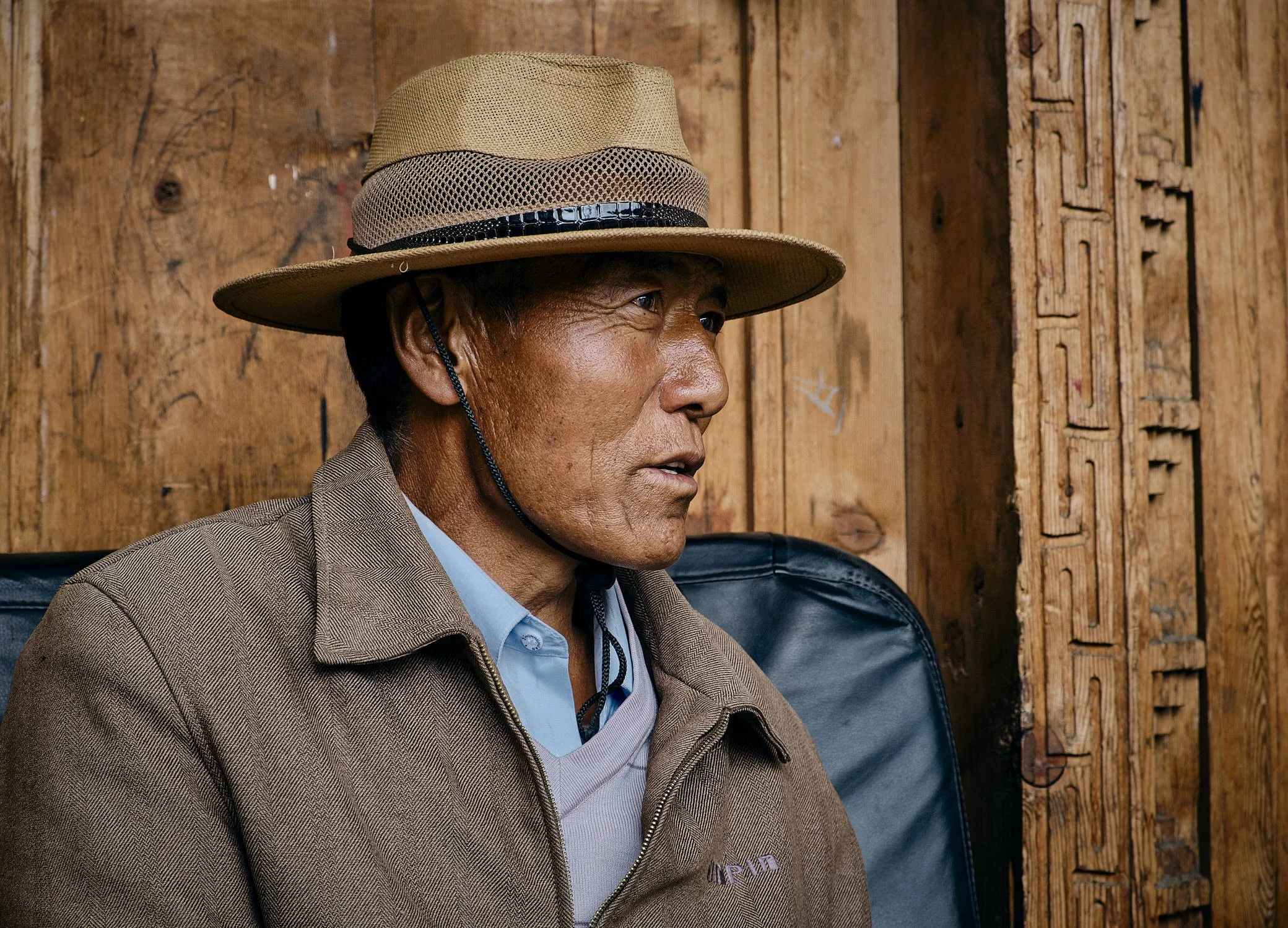
The Kham Tibetan people are not a backdrop. When they invite us in, and they do, you'll know how to approach, how to read light in a home interior, how to make a portrait that honours the person in it. We move slowly here. We ask permission. We say thank you. We tell their story, ethically.
Image review and post-processing orientation
At key points in the itinerary, we review your work. To help you see what your eye is already doing well, and where a small adjustment would make a big difference.
What we are not doing on this trip:
No pixel-peeping. No histogram obsession. No "you should upgrade your camera" conversations. If your camera has manual mode, it's ready. I've taught women shooting with cameras from 2005. The gear is not the issue.
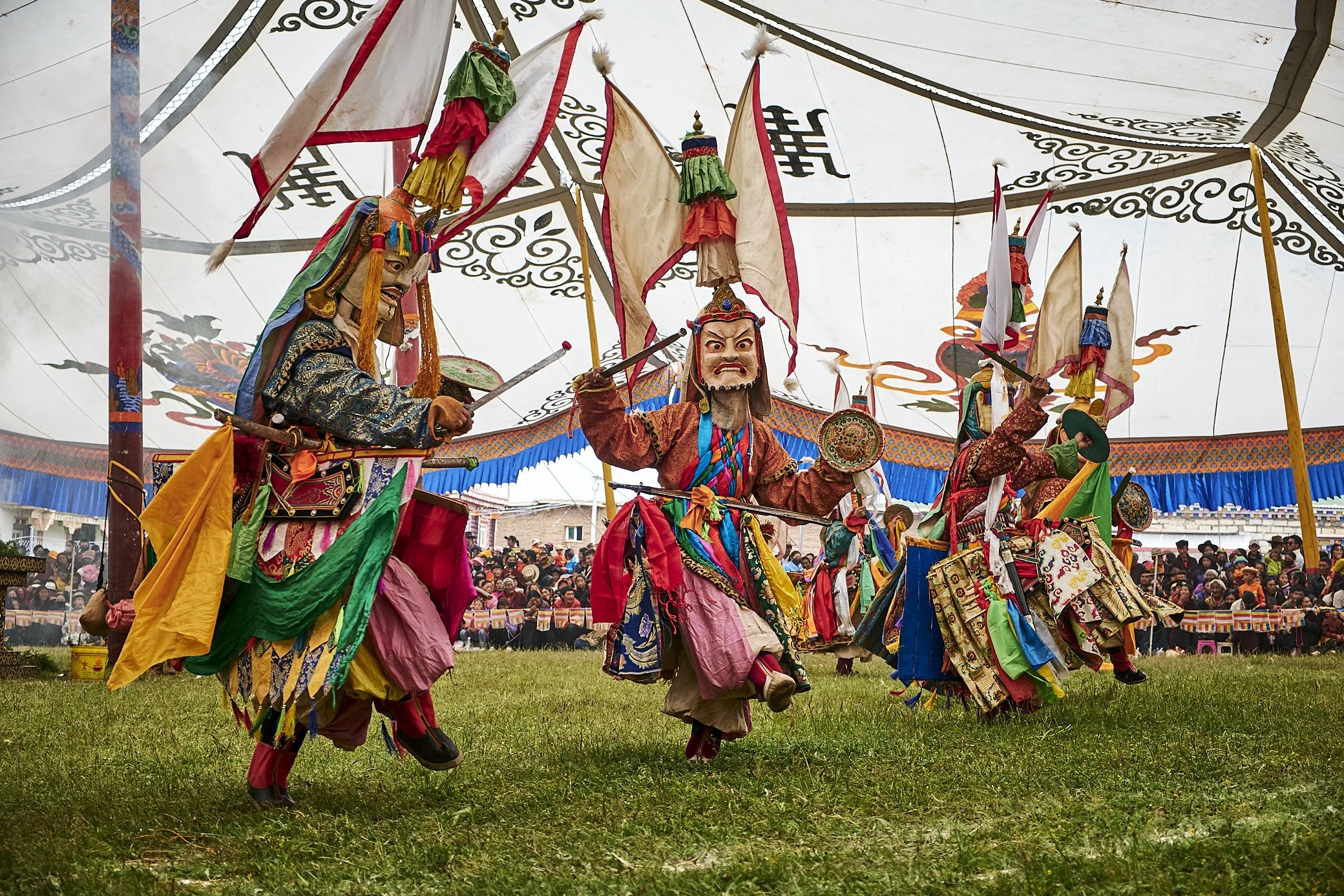
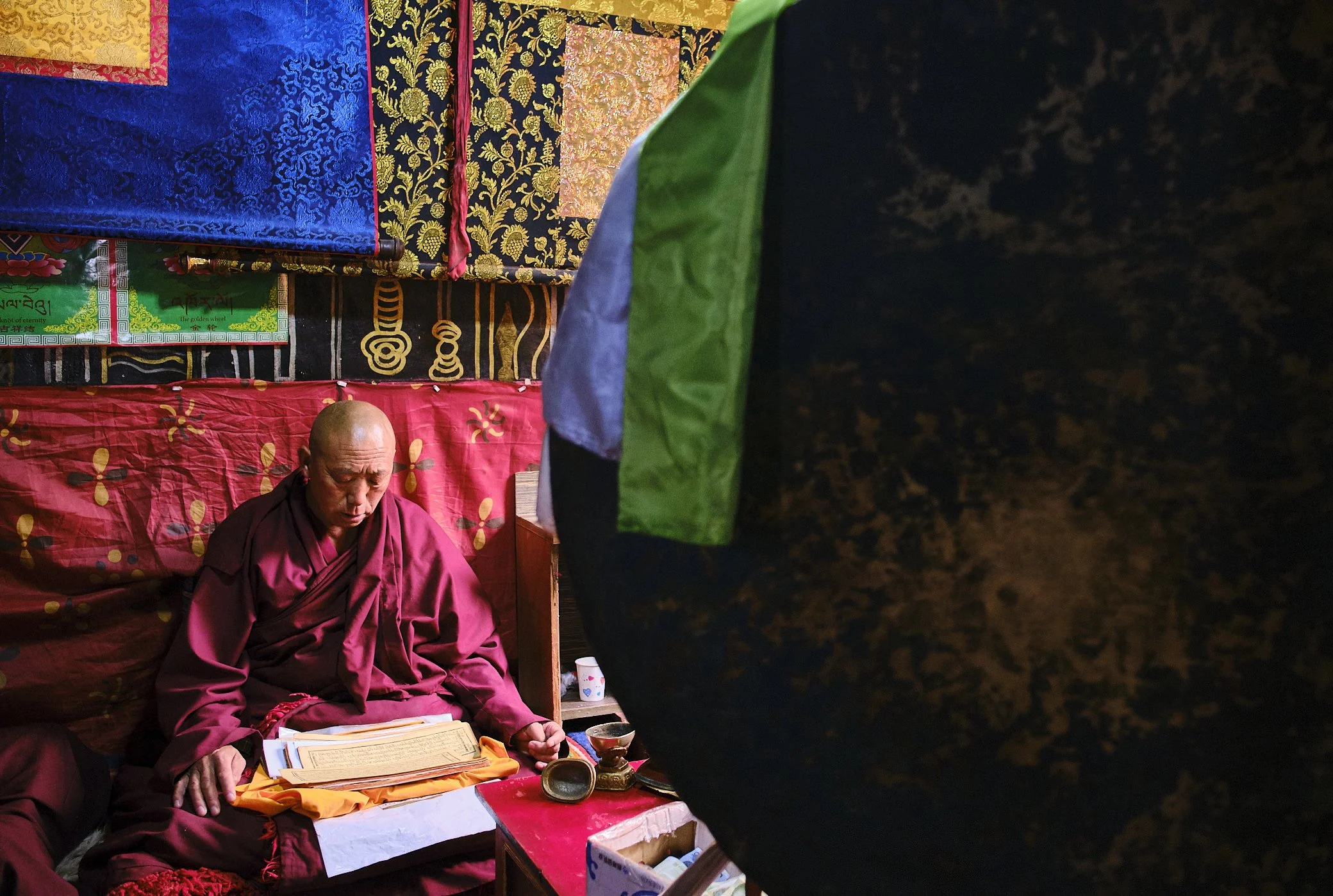
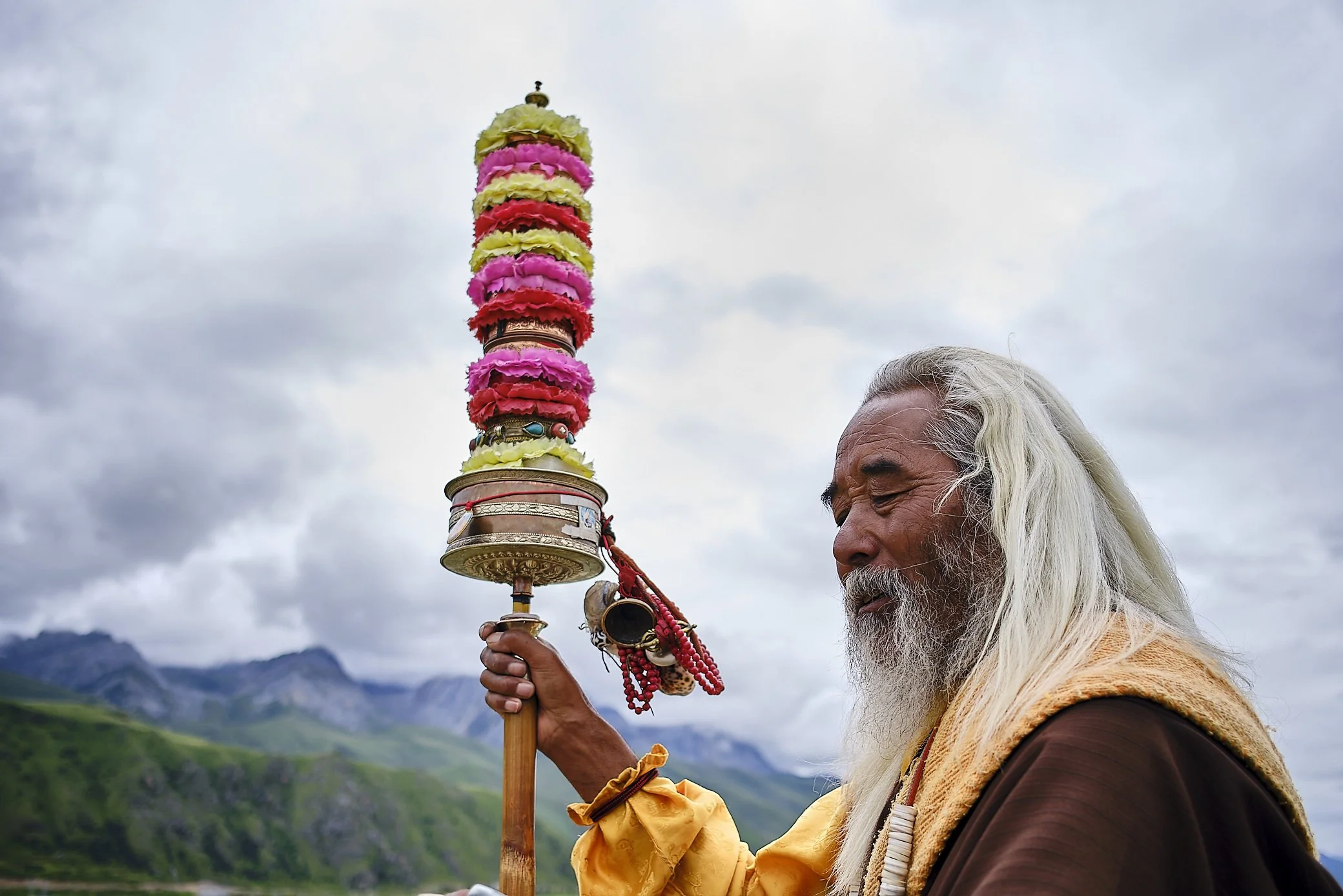
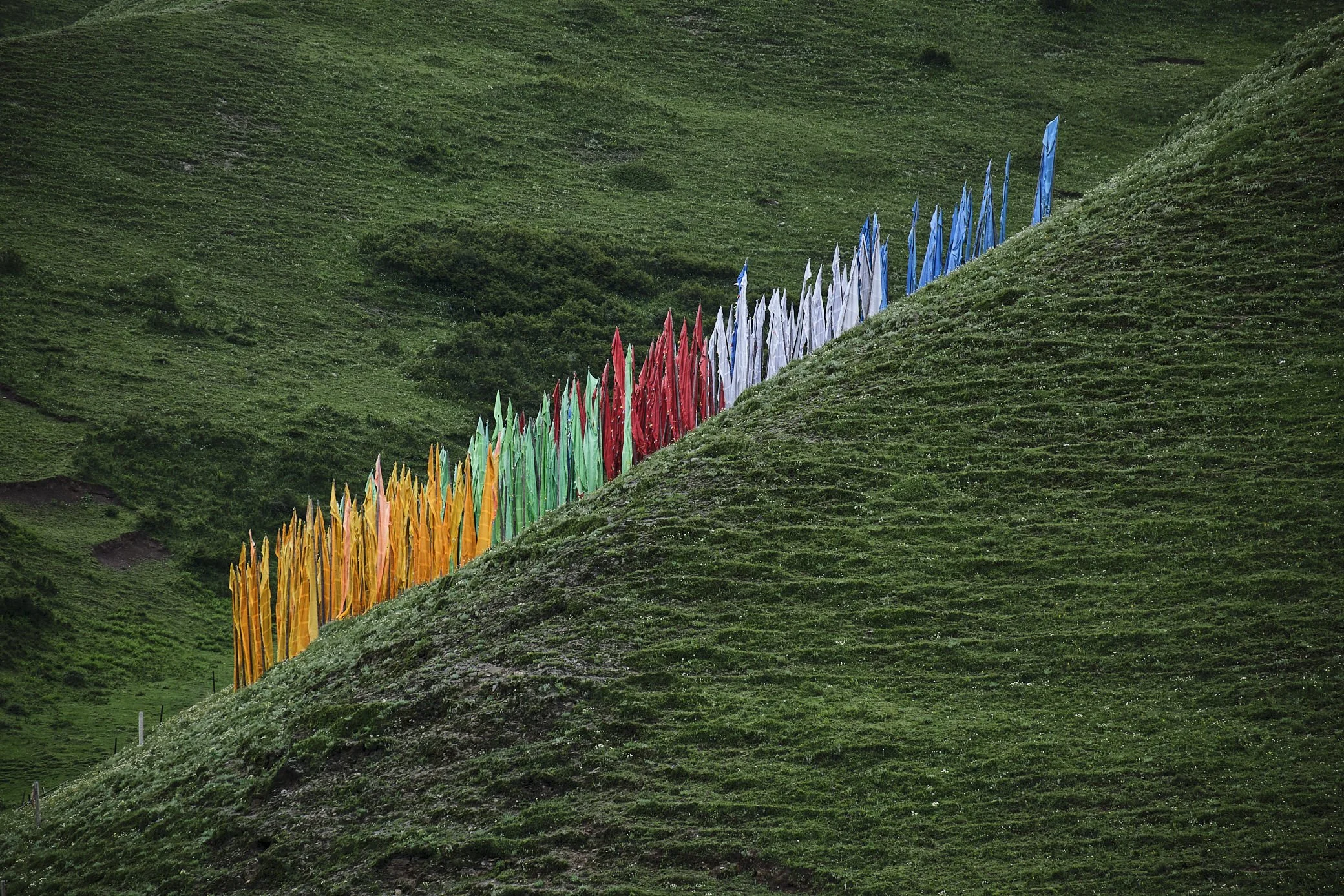
What Is Included in the Kham Tibet Photography Adventure?
Everything from the moment you land in Chengdu to the morning you leave.
Included:
All ground transportation for 15 days, Chengdu to Chengdu
14 nights accommodation in boutique Tibetan hotels and clean guesthouses
All meals: dinner on Day 1 through breakfast on Day 15
All bottled water throughout the trip
English-speaking local Tibetan guide for the full itinerary
Elevated Trips as expedition lead on the ground
Daily photography instruction and field feedback
Image reviews at key points in the itinerary
All entrance fees to monasteries and national parks
Not included:
International flights to and from Chengdu (airport code: CTU)
China visa fees (note: as of 2025, Canada has a visa-free agreement with China — confirm status closer to your departure date)
Alcohol and laundry
Souvenirs and personal expenses
Travel insurance (required — we recommend World Nomads)
Single room supplement (available on request)
Tips for crew, drivers, and local guides
A Note on Accommodation
We'll start and finish in a 4-star hotel in Chengdu. In between, we'll stay in the best available boutique hotels and guesthouses in each town we pass through. They are clean. They have hot water and showers. They are not the Hilton, and they're not a tent.
Adventure during the day. A real bed at night.
Who’s Leading This Trip?
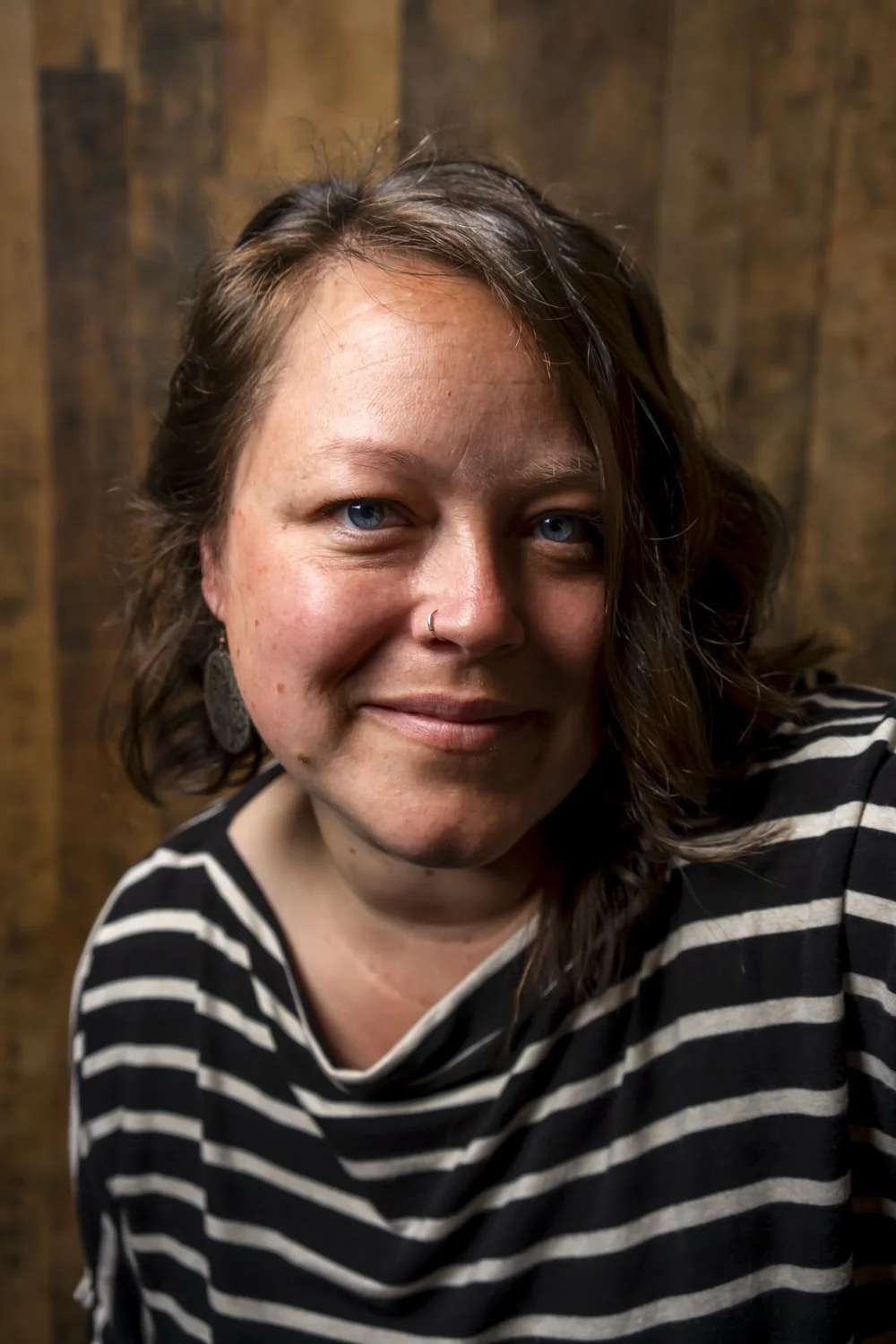
Cobi Sharpe
Founder | Workshop LeaderCobi Sharpe is an award-winning landscape photographer, graduate with honours in digital photography and imaging, and the founder of Spark Adventure Photography Workshops. She has spent years teaching women to dust off their cameras and remember who they were before life took over.
Cobi’s work has been published and mentioned in Canadian Geographic, Explore Magazine, Outpost Magazine, Algonquin Life Magazine, and trusted by clients including Parks Canada and Nature Canada.
She is not a gear obsessive. She is not a pixel-peeper. She is a direct, patient, and deeply knowledgeable teacher who has helped hundreds of women learn how to use their camera, frame their first portfolio-worthy image, and walk away with confidence that doesn't expire.
"You were a triple threat: a great teacher, a great photographer, and a great human being."
Lori D.
"Cobi has the ability to inspire, encourage, and teach with patience, knowledge, and an evident passion to watch you learn and grow in this field."
Lisa A.
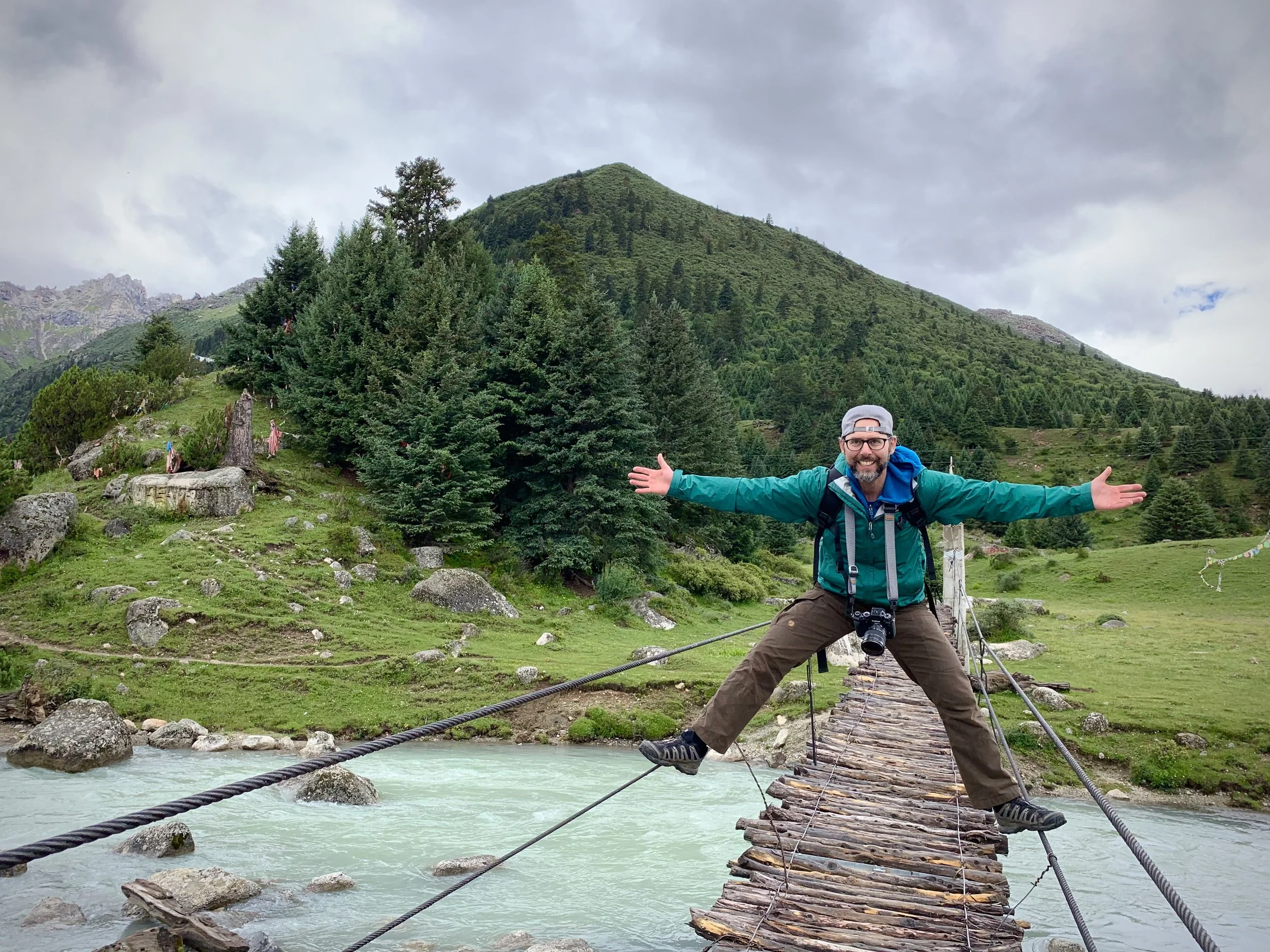
Workshop LeaderAriel Estulin
Ariel Estulin a father, and an award-winning landscape photographer, who travels the world seeking out beauty in those wild and remote places on Earth that still remain untouched by civilization where nature commands ultimate attention. As a photo educator, his goal is for students to come away with not just better photographs, but a better understanding of photography, better compositions, and most importantly, a skill set they now have and can use on future adventures.
Ariel has traveled extensively through Tibet and Nepal and has run photography expeditions in this region.
“As a novice amateur, I enjoyed the hands-on direction and helpful suggestions from Ariel which helped me to expand my way of seeing an image.”
Don R.
“We developed a good friendship within the group. I would highly recommend this workshop to anyone who wants to experience photography and travel.”
Iris L.
Client Reviews
“My experience with Cobi and the other women was so much more than I can describe and much more than I expected.”
— Karen B.
“You will learn - there is space for everyone no matter your skill level. Cobi is very inclusive and will tailor your learning to meet your needs.”
— Lynn P.
“Cobi was everything I expected. I found her “way” to be professional , informative and she was able adapt on the fly to the learning needs of each person. No question was to small. I could see and feel that she wanted each person to succeed.
— Kathy M.
Is the Kham Tibet Women’s Photography Adventure Right for Me?
This trip is designed for women who love photography and are looking for ways to be adventurous.
You do not need to be shooting recently. You do not need a new camera. You need to want this.
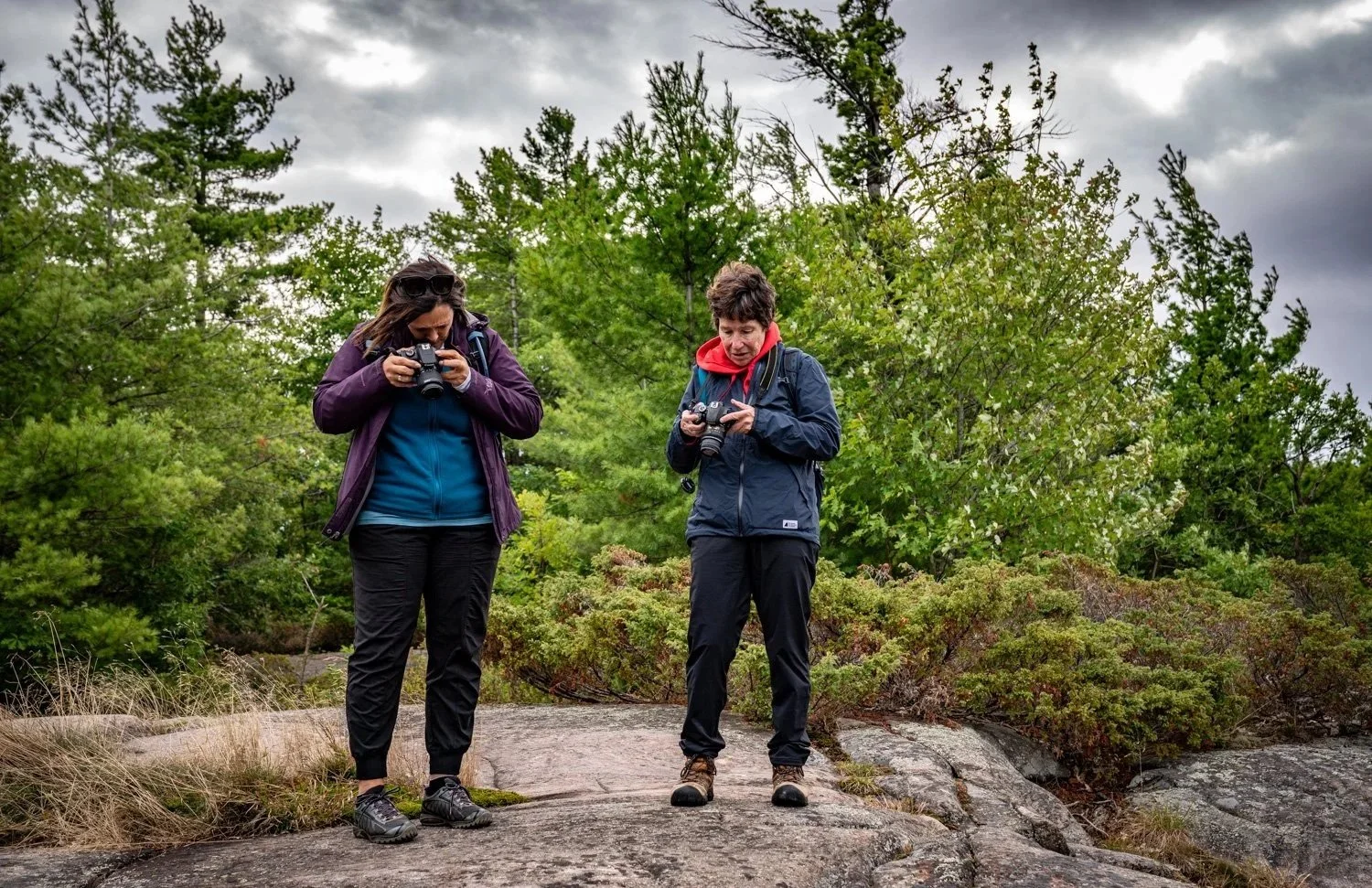
This trip is for you if:
Your camera has been in the closet for a while and you're ready to pull it out for real
You shoot in manual mode sometimes, or used to, and want to rebuild that confidence in an extraordinary location
You're done putting your creative time last, and ready to invest in something that is genuinely yours
You want awe-inspiring locations AND women who move at your pace AND instruction that doesn't talk down to you
You're comfortable with day hikes of 2-4 hours at altitude and long scenic drives on mountain roads
You want your people. The ones who would pull over for the light. The ones who finally get it.
This trip is not for you if:
You want a luxury spa itinerary with predictable Western amenities at every stop. This is a real adventure in a remote region. The beds are comfortable. The hotels are not the Hilton.
You're looking for a fast-paced trip covering maximum ground. We go slow. That's the whole point.
You need an English-language menu at every meal. The food here is extraordinary. It is also Tibetan and Sichuan Chinese. Vegetarian and dietary restriction options are available throughout.
You're not comfortable with altitude. We build acclimatization days in, but we reach 4,937 m on this trip. If you have heart conditions or serious altitude sensitivity, reach out before you book and we'll talk it through honestly.
Fitness level: Moderate
Day hikes of 2-4 hours. Uneven terrain. Long drives on mountain roads with stops. We are not trekking with a 20-kg pack. But you will need to be comfortable on your feet and willing to walk at altitude. Hiking poles are recommended.
Frequently Asked Questions
-
If your camera has manual mode, it's ready. I've taught women shooting with cameras from 2005. What matters on this trip is not megapixels, mirrorless technology, or the latest autofocus system. What matters is showing up and shooting. We don't do "you should upgrade" conversations here. Ever.
-
That's okay! We photograph hands-on, every single day in the field. By the end of 15 days you'll have muscle memory, not just information. When the light hits Yihun Lhatso lake at sunrise, you'll figure out your exposure fast.
-
No. Maximum 10 women. An itinerary built slow on purpose. Nobody slips through the cracks here, and nobody gets rushed through a location because the schedule says so. You will not be left behind.
-
No. Because this trip travels through Western Sichuan rather than the Tibet Autonomous Region, you do not need the special Tibet Autonomous Region permit that makes other Tibet trips complicated. You need a standard China visa. As of 2025, Canadian travellers do not require a visa to enter China. Confirm current status closer to your booking date. Elevated Trips handles all on-ground permits and logistics.
-
Clean, comfortable boutique Tibetan hotels and guesthouses throughout. Hot water and showers at every stop. You'll start and finish in a 4-star hotel in Chengdu. In between, properties reflect the region: well-run, warm, rooted in Tibetan hospitality. Not camping. Not the Marriott. Real beds after real days.
-
Yes. Medical evacuation insurance is required for all participants. We recommend World Nomads. Travel medical insurance is also strongly recommended. This is a remote, high-altitude region. Evacuation logistics are real. Please do not skip this.
-
Late June through early July. Daytime is warm, nights are cool, and the remote regions of Western Sichuan are not in full high tourist season. Light in the alpine zones at this time of year is extraordinary.
-
The investment is $[X,XXX] USD per person. This includes all ground transportation, 14 nights accommodation, all meals from dinner on Day 1 through breakfast on Day 15, all entrance fees, all bottled water, local Tibetan guide, tips for crew, and photography instruction throughout. Not included: flights to/from Chengdu, travel insurance, alcohol, laundry, and souvenirs. Single room supplement available on request.
-
Beginner to advanced. If you've ever shot in manual mode, even once, even years ago, you have enough foundation to thrive on this trip. If you've been shooting on auto, we recommend taking a beginner photography workshop to make the most out of this trip. The last thing you want is for your camera to make all of the creative decisions for you, you not be able to get the images you imagine in your head. No prior experience with Tibet or international travel required. Elevated Trips handle everything on the ground.
-
Item description